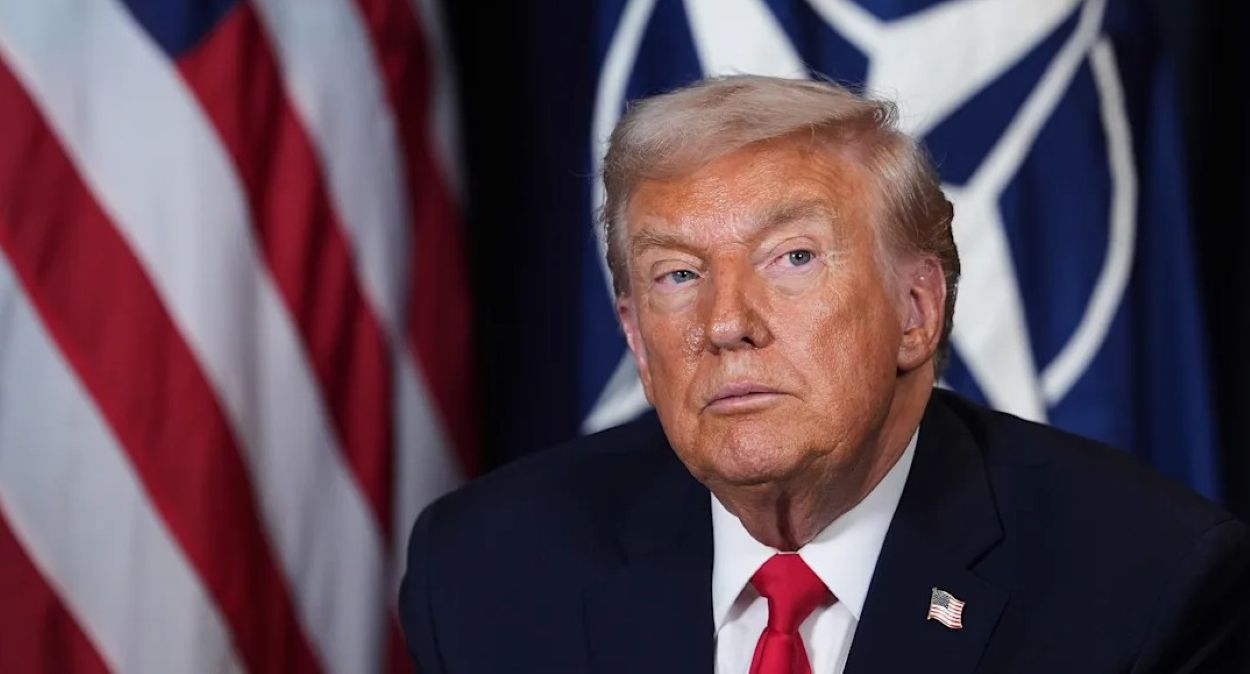

President Donald Trump’s administration rejected claims of a diplomatic breakdown. State Department spokesperson Tommy Pigott said the president has the right to decide who represents US interests abroad.
The administration says the changes have made US foreign policy more efficient. A White House official told Reuters that the restructuring made the government less bloated and better able to execute the president’s agenda.
Foreign governments have adapted by building new channels into Washington. Reuters said some officials prioritised people close to Trump, including Jared Kushner, Steve Witkoff, White House Chief of Staff Susie Wiles and SoftBank founder Masayoshi Son.
The report said allies in Europe and Asia have grown more cautious about reacting to Trump’s public threats. Some diplomats now treat his strongest remarks as political signals rather than fixed policy.
Former US officials warned that fewer ambassadors could weaken crisis response. Barbara Leaf, a retired career diplomat and former US ambassador to the United Arab Emirates, said missions near conflict zones should have ambassadors during a war.
Read: State Department RIFs Leave 100+ Ambassadorships Vacant
Reuters also reported that about 3,000 State Department employees left last year through firings and buyouts. The figure amounted to about 15% of the department’s US-based staff.
The changes have fueled debate over Trump’s foreign policy. Supporters describe a faster and more direct system, while critics say it weakens expertise and leaves allies unsure who speaks for Washington.