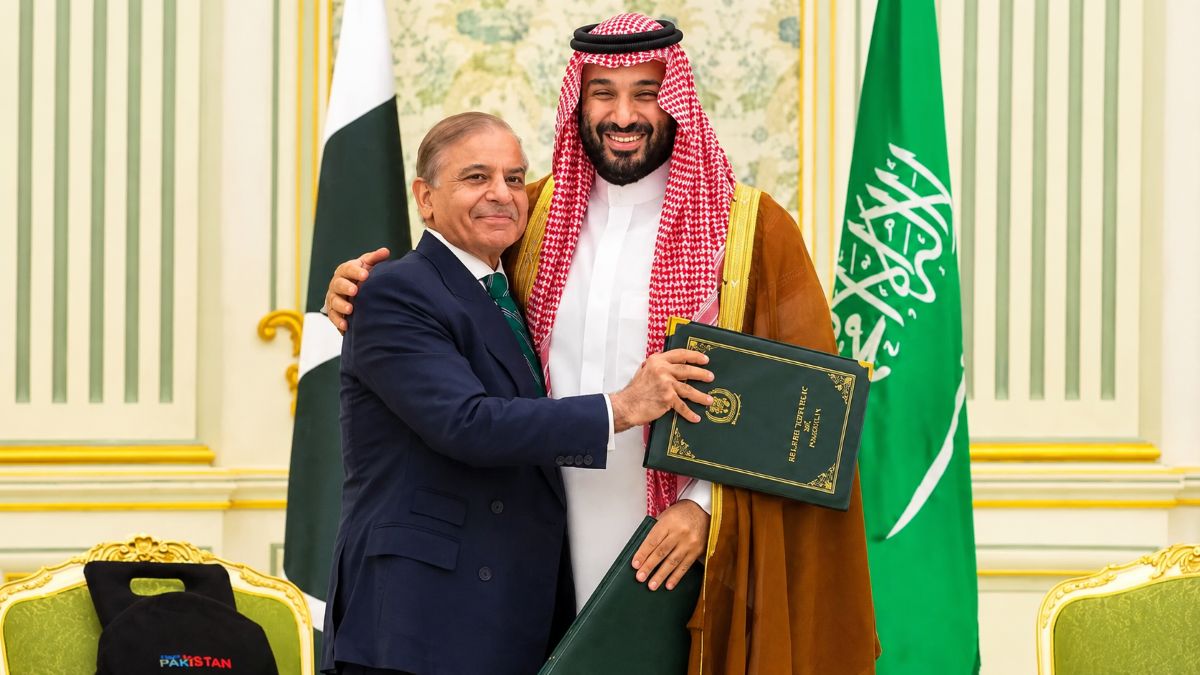

A purported defence pact involving Saudi Arabia, Turkey and Pakistan reflects a broader shift among traditional US partners to reduce reliance on Washington, analyst Brahma Chellaney argues.
In the opinion article, Chellaney says the three countries signed a mutual defence agreement in Mecca on August 7. He says it covers military coordination, intelligence sharing and defence-industrial cooperation.
The pact is evidence that Muslim-majority US partners are seeking greater strategic autonomy while retaining ties with Washington.
Turkey’s role is central to the argument because it is also a member of the North Atlantic Treaty Organisation (NATO).
Chellaney says Gulf states are reassessing their security dependence on the United States after recent regional tensions involving Iran.
Read: Turkey says Nordic NATO expansion unlikely before June
He also argues that Saudi Arabia, Turkey and Pakistan bring different capabilities to such an arrangement. The piece cites Saudi financial resources, Turkey’s defence industry and Pakistan’s military capacity.
Egypt participated in discussions, according to the opinion, but ultimately remained outside the pact.
The commentary concludes that Washington may have to adjust to partners seeking stronger independent defence arrangements rather than relying exclusively on US security guarantees.