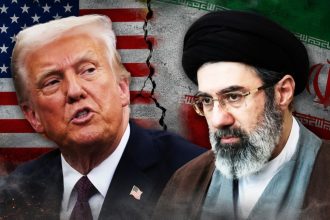
Islamabad, Pakistan: Pakistan-US-Iran mediation helped open an interim framework between Washington and Tehran, but Islamabad now faces pressure to turn the diplomatic opening into security and trade gains.
The agreement paused fighting and created a 60-day negotiating window on sanctions relief, nuclear limits and regional security.
Pakistan, whose capital is Islamabad, shares a nearly 900-kilometre border with Iran. Iran’s capital is Tehran, and the United States’ capital is Washington.
Pakistan entered the process because a prolonged US-Iran confrontation could hit its western border, Gulf energy supplies, inflation outlook and economic recovery.
The diplomatic role gave Islamabad renewed visibility in Washington and Gulf capitals. Pakistan was briefly seen as a channel for crisis management rather than a problem to manage.
The next test is economic any easing of sanctions on Iran could reshape regional trade routes, logistics channels and financial arrangements.
Gwadar could gain importance if Iranian firms seek alternative gateways for trade, warehousing and shipping. Geography alone would not make Pakistan a reliable corridor.
Read: US, Iran Envoys Head To Switzerland As Israeli Attacks Hit Lebanon
The implementation gaps around Special Regulatory Orders have raised concerns among diplomatic and business circles.
It also cited Iranian vessels waiting near Karachi during the blockade and an Iranian business delegation from Mashhad exploring Pakistani meat imports.
Qatar helped facilitate implementation mechanisms and financial assurances after disagreements linked to Lebanon threatened the framework.