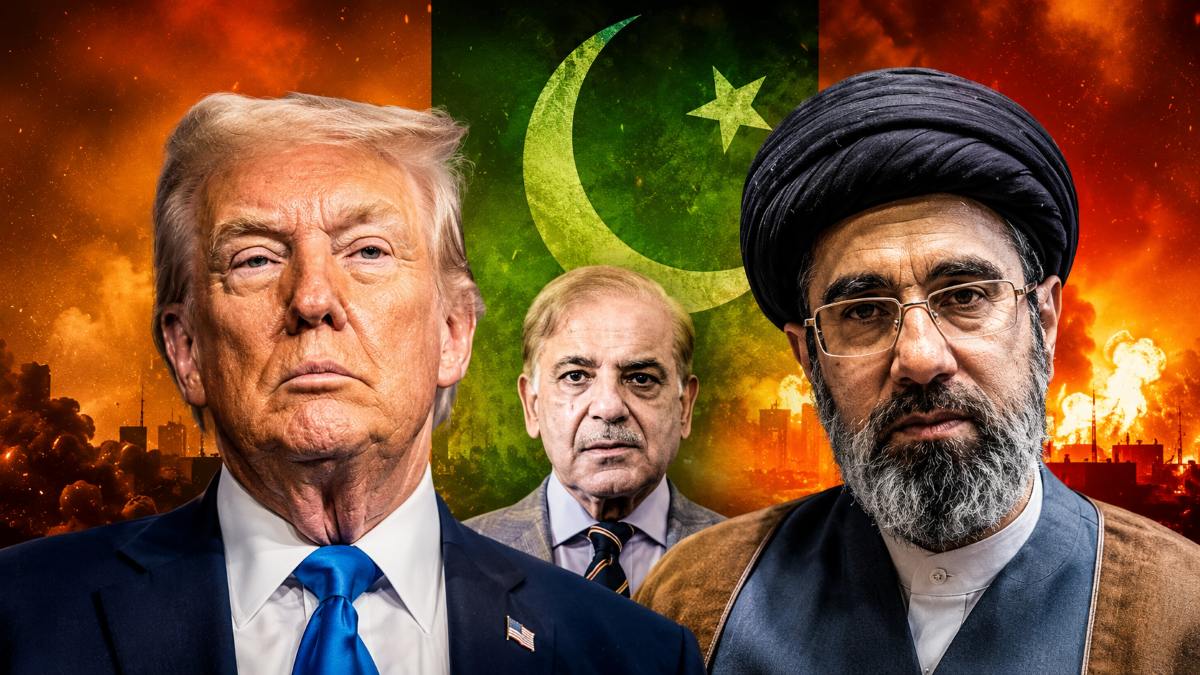

Islamabad Memorandum ended US-Iran hostilities and opened a 60-day negotiation window on Iran’s nuclear programme.
The agreement was negotiated through talks at the Burgenstock resort in Switzerland, where Pakistani and Qatari mediators worked to keep the settlement intact.
The deal opens the door to sanctions relief but does not include permanent dismantlement of Iran’s enrichment capability. It said the memorandum also lacks a comprehensive verification regime and a binding enforcement mechanism.
Richard Haass, president emeritus of the Council on Foreign Relations, described the emerging deal as a major victory for Iran.
Senate Minority Leader Chuck Schumer said the agreement amounted to surrender rather than peace through strength.
Read: Tehran Condemns NATO Chief’s Iran War Comments
Republican Senator Bill Cassidy said Iran’s nuclear ambitions had not been curbed and that Tehran had learned threats to the Strait of Hormuz worked. Former US vice president Mike Pence said the agreement resembled appeasement.
The report said Pakistan became central to the talks because Iran trusted Islamabad as a non-Arab Muslim broker with a shared border and no US military bases on its soil.
It said Qatar later helped narrow gaps on sanctions and the nuclear file. The war left 13 Americans dead and more than 1,700 Iranian civilians killed.