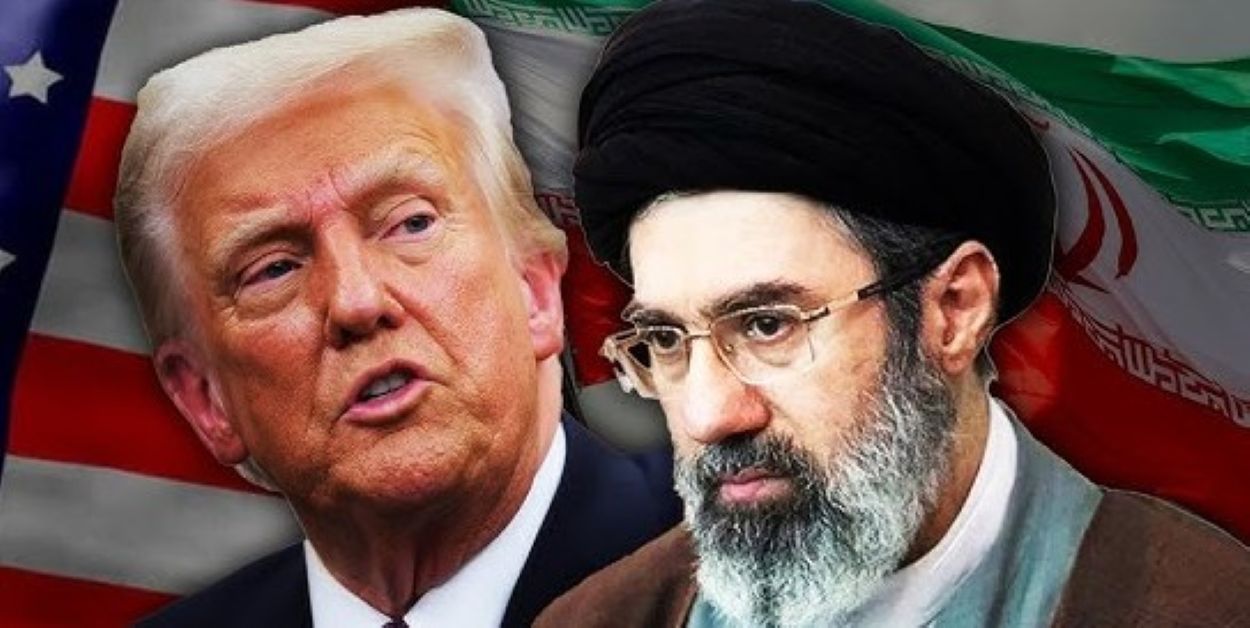

The US-Iran truce stabilised after days of clashes near the Strait of Hormuz, as Washington said talks with Tehran would take place in Qatar. A Trump administration official said the two sides agreed to meet on Tuesday.
President Donald Trump also said on social media Monday that Iran had requested a meeting. However, a senior Iranian official said no technical working-group talks were planned this week.
The four days of attacks and reprisals threatened the memorandum of understanding signed by both sides.
It said Iranian attacks on merchant ships, US reprisals and strikes on US bases and Gulf allies risked wider fighting. The clashes also threatened renewed oil disruption through the Strait of Hormuz.
The report said Washington backed free and unrestricted navigation through the strait after Secretary of State Marco Rubio’s Gulf visit. It said the US opposed Iranian tolls, fees or attempts to control passage.
A US official said all Iranian drones and missiles targeting US assets in Kuwait and Bahrain were shot down or failed to reach their targets.
The report said the United States had earlier struck Iranian drone and missile storage sites near the Strait of Hormuz.
US Ambassador to the United Nations Mike Waltz said Iranian attacks on shipping or US bases would draw a response from Trump.
Trump warned Sunday that Iran would face consequences if it kept violating the ceasefire.
The memorandum of understanding set a 60-day framework for a final deal. It said future talks would cover issues including Iran’s nuclear program and maritime access.
Read: Witkoff, Kushner to Travel to Doha for High-Level Iran Talks
Former US national security adviser Jake Sullivan told CNN the negotiations could become tense and prolonged.
The report said average US gasoline prices fell to $3.87 a gallon Sunday, according to AAA, after maritime traffic through the strait increased.