

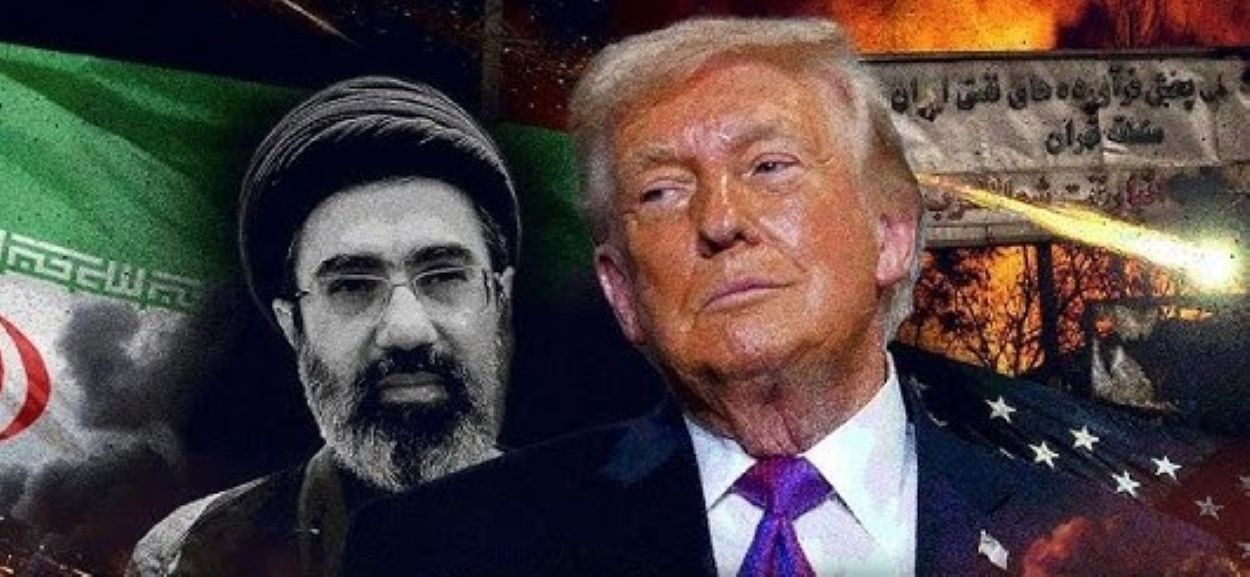

A $300 billion US-Iran investment fund has been outlined in the proposed deal between Washington and Tehran. More than half the amount is already committed, a source told Reuters.
The private fund is meant to give both sides an economic incentive to reach a final agreement, the source said. It will not include government money, grants, reparations or reconstruction payments.
US and Iranian officials said Sunday they had agreed on a framework to end the war. The agreement will halt the US blockade of Iran and reopen the Strait of Hormuz, a major global oil and gas route.
The source said companies from the United States, Gulf Arab states, Asia, South America and Africa had agreed to financing commitments. Moreover, the pledged investments cover energy, logistics, manufacturing and transport.
A senior Iranian source told Reuters that Tehran had first sought $400 billion in compensation for war damage. Washington rejected direct compensation, and the Reconstruction and Development Fund proposal later emerged.
The Iranian source said regional countries could support the mechanism through loans, credit lines or direct project financing. Possible targets include damaged infrastructure, refineries, airports and the Mobarakeh Steel complex.
The fund is separate from talks on US sanctions and frozen Iranian sovereign assets, the source said. It will only become operational after a final deal. Meanwhile, a memorandum of understanding would structure talks over the next 60 days.
A White House spokeswoman referred to Vice President JD Vance’s CBS interview. In the interview, he said Iran could access a $300 billion Gulf-backed fund if it complies with a Washington agreement, including nuclear restrictions and inspections.
Iran’s and Pakistan’s foreign ministries, which helped mediate the investment fund deal, did not immediately respond to requests for comment.



