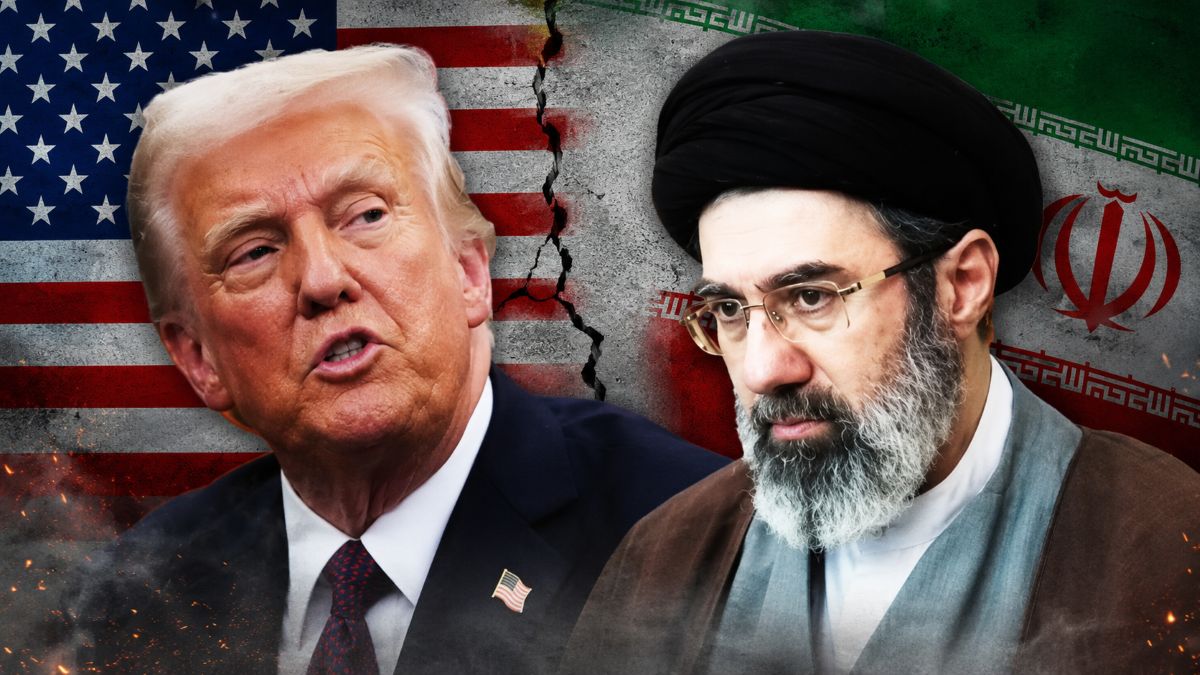

US Central Command said the United States ended its naval blockade of Iran after Washington and Tehran signed a US-Iran deal to halt the Middle East war.
CENTCOM said on X that it lifted the blockade “in accordance with the President’s direction.” It said some US vessels would remain in the general area.
Iran’s Supreme Leader, Mojtaba Khamenei, approved the agreement, despite saying he held a “different view.” He said President Masoud Pezeshkian had assured him that Iran would protect its national rights.
Khamenei accused President Donald Trump of using “all kinds of leverage” to secure the deal. He said future in-person talks with Washington would not mean Tehran accepted “the enemy’s position.”
Trump did not directly answer Khamenei’s remarks. He said on Truth Social that he expected a ceasefire on all fronts, including between Israel and Iran-backed Hezbollah in Lebanon.
The 14-point agreement includes reopening the Strait of Hormuz, barring Iran from obtaining a nuclear weapon and creating a $300 billion reconstruction and development fund for Iran.
Read: JD Vance Warns Israeli Critics Not to Attack US Ally
Vice-President JD Vance said the agreement had entered into force and opened a 60-day period for further talks. He said Iran would receive no money or sanctions relief unless it met its obligations.
Vance said Iran must destroy enriched uranium stocks and stop funding regional proxy groups. He also defended the deal against criticism from Israeli ministers Itamar Ben Gvir and Bezalel Smotrich.
Pakistan, acting as mediator, told the BBC that Washington and Tehran cancelled a planned signing ceremony in Switzerland because both sides had already signed the agreement remotely.
US and Iranian representatives are still expected to meet in Switzerland for technical talks. The White House said Washington wanted those talks to begin as soon as possible.
Israeli Prime Minister Benjamin Netanyahu said Washington had stood “shoulder to shoulder” with Israel during the war. Republican Senator Bill Cassidy criticised the agreement as the “worst foreign policy blunder in decades.”
Israel and Hezbollah continued trading strikes after the agreement. Reports from Lebanon on Thursday said strikes killed three people, while Vance said attacks in Beirut that kill civilians were “not acceptable.”