

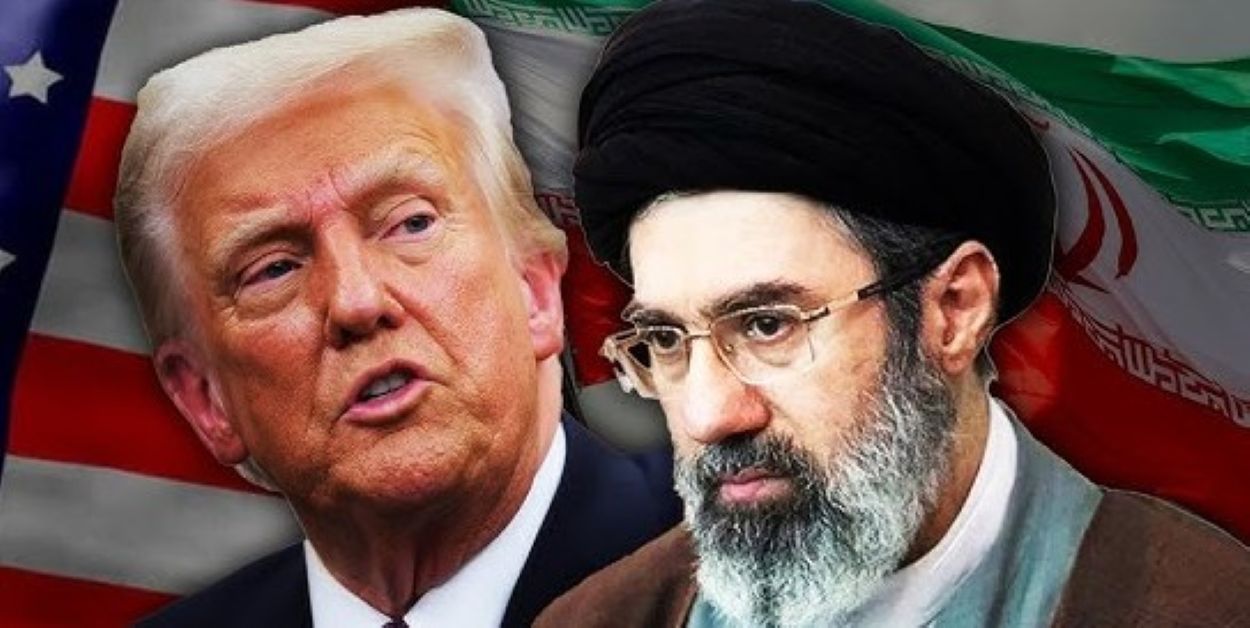

US-Iran ceasefire tensions intensified on Monday after President Donald Trump rejected Tehran’s latest peace proposal as “totally unacceptable” while new drone incidents and maritime threats rattled Gulf states.
Iran’s counter-proposal, delivered through Pakistani mediators, demanded an end to the US naval blockade, sanctions relief, compensation for war damages and recognition of Iranian sovereignty over the Strait of Hormuz, according to Iranian state media and Reuters.
Trump dismissed the response in a Truth Social post and warned that US military operations against Iran could resume.
He said Washington had completed “probably 70%” of its intended military targets and retained options for further strikes if negotiations failed.
Israeli Prime Minister Benjamin Netanyahu said the conflict was “not over” while Iran continued to hold highly enriched uranium stockpiles and maintain nuclear facilities. Speaking to CBS News, Netanyahu said diplomacy remained preferable but did not rule out the use of force to remove the material.
The Pakistan-brokered ceasefire that began on April 8 showed further strain after the United Arab Emirates intercepted drones it said entered from Iran, while Qatar reported a drone strike on a cargo vessel in its territorial waters. Kuwait also confirmed hostile drone incursions into its airspace.
Oil prices climbed sharply amid persistent shipping disruptions in the Strait of Hormuz. Brent crude rose above $104 a barrel amid concerns over prolonged instability in the waterway, which previously carried about 20% of global oil supplies.
White House Press Secretary Karoline Leavitt said the administration remained optimistic about diplomacy but prepared for further military action if talks collapsed. She said “the cards are in President Trump’s hands” during recent White House briefings.
Britain and France are scheduled to host a multinational defence meeting on Tuesday to discuss maritime security operations aimed at restoring commercial traffic through the strait.



