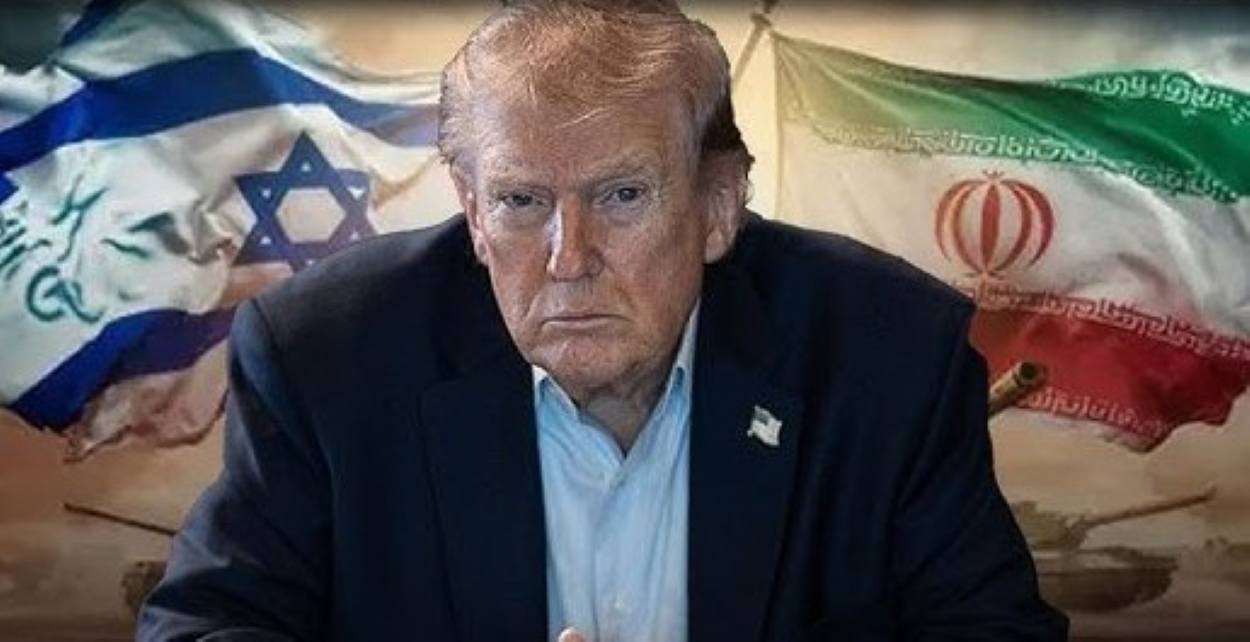

Trump’s Iran war strategy faces growing scrutiny three months after US strikes began, as analysts question whether battlefield gains can deliver a political victory.
Reuters reported that Iran’s government remains intact, its nuclear concessions remain limited, and its leverage over the Strait of Hormuz continues to pressure energy markets.
The United States, whose capital is Washington, sits in North America. Iran, whose capital is Tehran, sits in Western Asia.
White House spokeswoman Olivia Wales said the US had “met or surpassed” its military objectives in Operation Epic Fury. She said President Donald Trump still held “all the cards.”
Aaron David Miller, a former Middle East negotiator, told Reuters the war risked becoming a long-term strategic failure. He said the campaign had not produced the quick win Trump expected.
Read: Trump, Iran War, Midterm Elections: Escalation Risks Before November Vote
Reuters said Iran still controls key bargaining points, including uranium enrichment and Gulf shipping pressure. Jonathan Panikoff, a former US intelligence official, said Tehran had learned it could use that leverage with limited consequences.
Alexander Grey, a former Trump adviser, rejected the failure argument. He said damage to Iran’s military and closer Gulf ties to Washington counted as a strategic success.
The conflict began with US-Israeli strikes on February 28, 2026. A ceasefire has held for more than six weeks, while Pakistan-backed diplomacy continues.