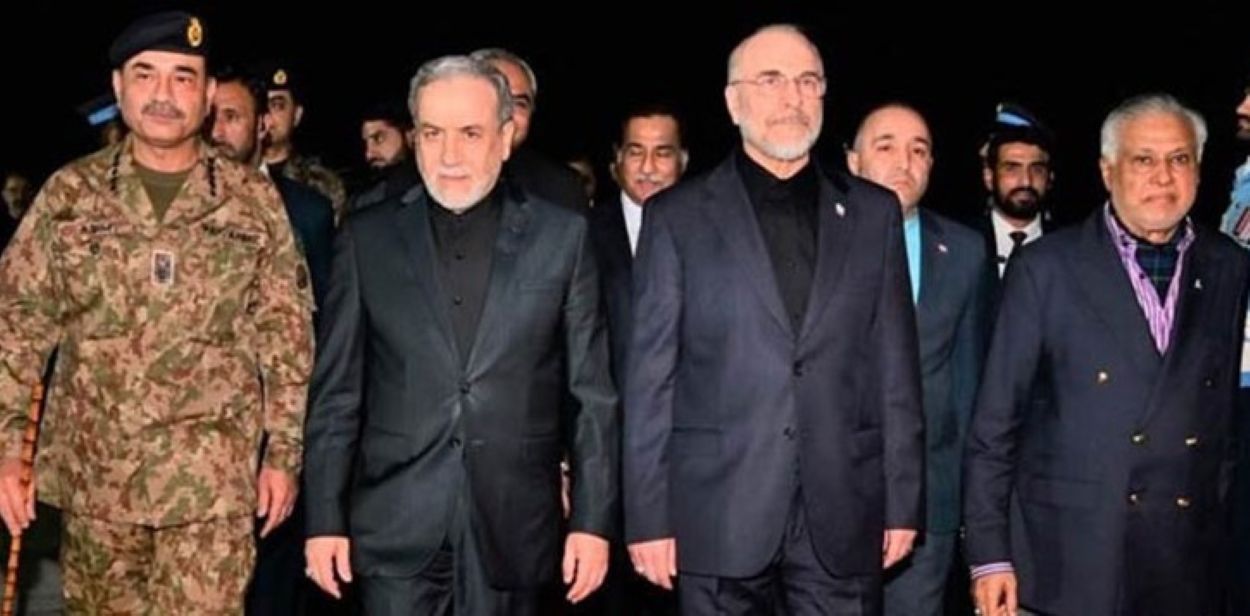

Pakistan proposes a second round of US-Iran talks in Islamabad as diplomatic efforts continue ahead of the current ceasefire deadline. According to the sources, Pakistani officials say Islamabad has offered to host another round of negotiations in the coming days, following the first meeting, which ended without a formal agreement.
Current AP reporting also says Pakistan has proposed a second round in Islamabad, while Geneva remains under discussion as an alternative venue. The report adds that both Washington and Tehran have kept channels open despite the lack of a breakthrough in the first round.
The first round of negotiations in Islamabad lasted nearly 21 hours and brought senior delegations together for closed-door talks. Officials described the meeting as part of an ongoing diplomatic process rather than a one-off encounter.
AP previously reported that Vice President JD Vance led the US side in those talks, which ended without a deal after Iran rejected key American demands. Even so, both sides continued engagement after the meeting, keeping the possibility of another round alive.
Islamabad remains central to the diplomatic process
Pakistan has continued to play a mediating role by relaying messages between Tehran and Washington. It adds that officials view the Islamabad Talks as a rare instance of direct engagement made possible by third-party diplomacy.
That description matches current AP coverage, which says Pakistan has stayed deeply involved in efforts to preserve the ceasefire and move both sides toward a possible agreement. AP also reports that Vance and Trump have publicly hinted at progress, even as major differences remain unresolved.
The talks have focused on ceasefire terms, regional security and broader political disputes. Washington has put forward a 15-point framework covering nuclear and missile issues, sanctions relief and maritime security, while Tehran has responded with its own 10-point proposal.
AP’s reporting confirms that nuclear issues remain central to the deadlock. It says the first round collapsed in part because Iran would not accept US demands to halt its nuclear ambitions, even though negotiators kept discussing wider terms tied to the ceasefire and regional stability.
The urgency of a second round to the ceasefire timeline and the broader cost of the conflict, which has killed more than 2,000 people and shaken the region.
Current AP coverage says the truce is due to expire on April 22, which adds pressure on diplomats to secure at least a temporary extension or a broader framework before the deadline. That timing makes the coming days especially important for Pakistan’s mediation effort.
Read: China Warns Trump Against Interference in Strait of Hormuz
The international community has broadly welcomed Pakistan’s role in hosting and facilitating the talks. That support reflects how unusual direct US-Iran engagement has become and why a neutral venue matters in this crisis.
For now, Pakistan’s proposal keeps diplomacy alive. Whether the next meeting takes place in Islamabad or another city, the fact that both sides are still considering another round suggests the process is not over yet.