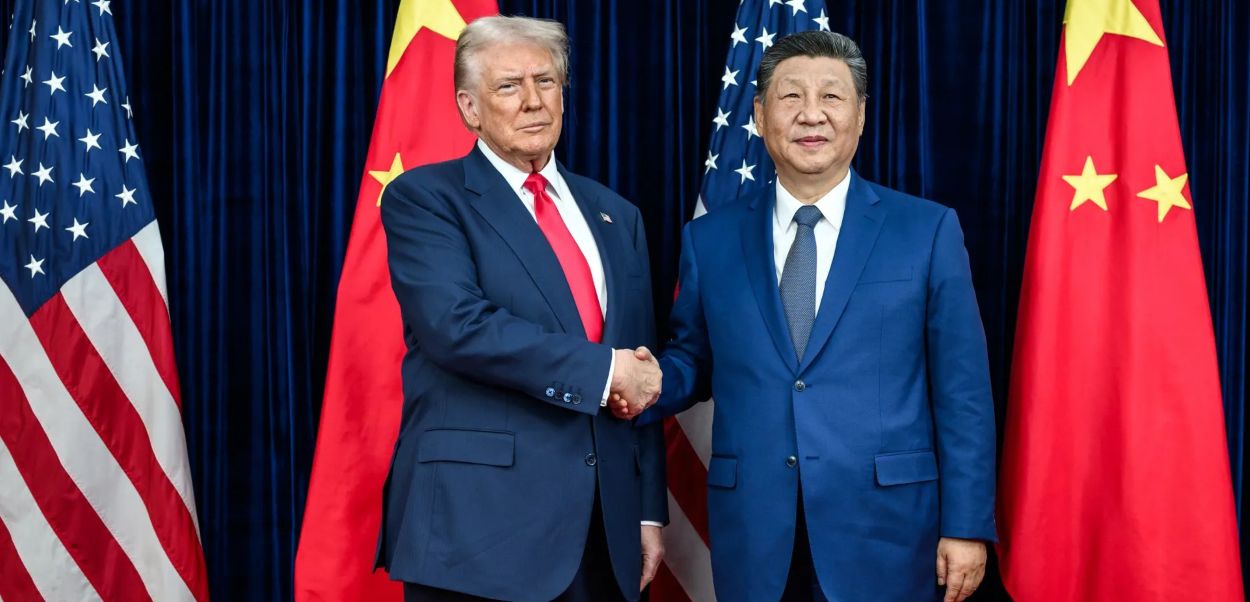

China warns Trump over Hormuz as tensions deepen over U.S. naval activity in Iranian waters and fears grow of a wider disruption to global shipping and energy flows.
The warning came as questions mounted about how President Donald Trump’s reported port-blockade plan would work in practice. The report says U.S. Navy vessels were positioned near the entrance to the Strait of Hormuz, while Iran signalled possible retaliation across Gulf ports.
In the report, journalist Inzamam Rashid described the situation as a dangerous standoff, with major uncertainty over the military and logistical details of the U.S. move.
He said Iran had already been enforcing a selective blockade in the Strait of Hormuz, allowing only certain vessels to pass. At the same time, the United States was described as blocking access to Iranian ports, raising the risk of direct confrontation in one of the world’s most sensitive waterways.
Iran threatened to respond by targeting ports across the Gulf states. That could affect major trade hubs, including Jebel Ali port in the UAE, and add more pressure to the global economy.
Chinese warning adds new pressure
Rashid said China had issued a direct message to Trump, stressing that Chinese ships were continuing to move through the Strait of Hormuz.
China said it has trade and energy agreements with Iran and expects others not to interfere. The statement also said Iran controls the strait and that the route remains open for Chinese vessels.
That position matters because the report says Iranian oil exports have increased during the conflict, with much of that supply going to China. Any disruption to those shipments could raise the stakes well beyond the region.
The report warns that the situation could quickly spiral if U.S. naval forces move closer to Iran’s coastline and come under attack.
It says any exchange involving U.S. vessels, Iranian ports, or naval assets could collapse the fragile ceasefire that still had about nine days remaining at the time of the report.
Rashid said there were no real signs of tensions easing, especially with both Washington and Tehran taking new steps that could push the standoff closer to open conflict.
Read: NATO Allies Reject Trump’s Iran Port Blockade Plan
The broader concern is economic as well as military. The Strait of Hormuz is one of the world’s most important oil transit routes, and any further escalation could disrupt trade, energy markets and regional stability.