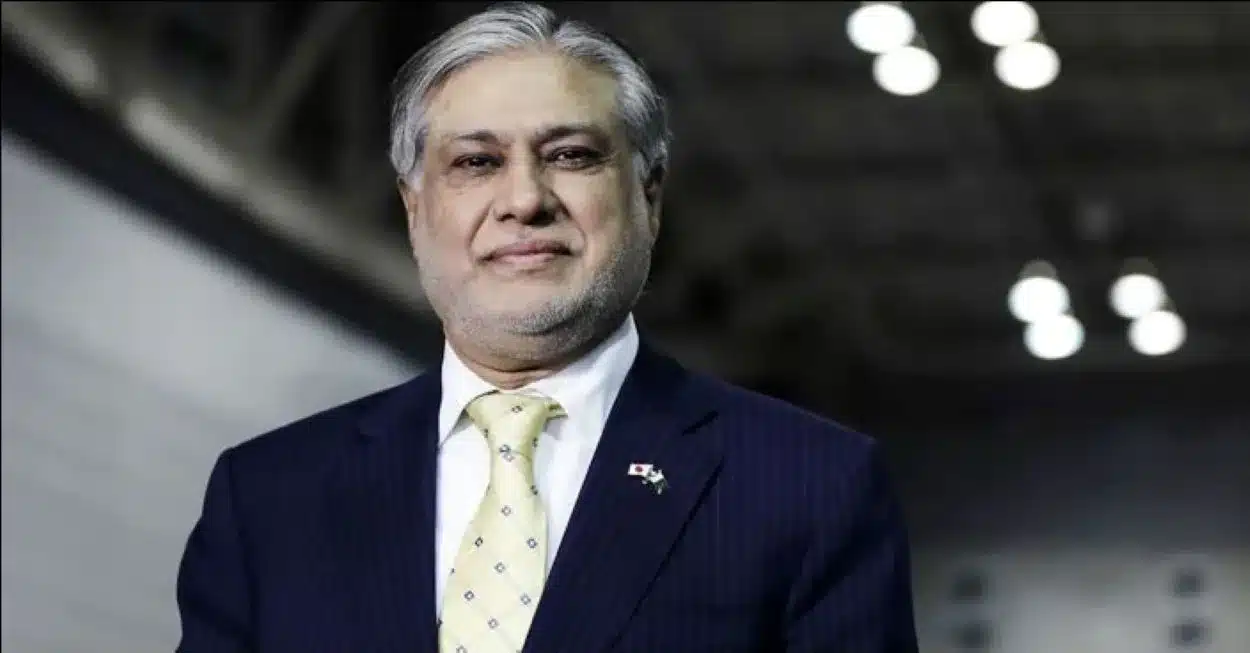

Ishaq Dar’s fuel subsidy meeting took centre stage on Tuesday, April 14, 2026, as the deputy prime minister chaired a high-level review of fuel supply, subsidy delivery and the implementation of the government’s austerity measures.
The meeting focused on the current fuel supply situation, progress on the fuel subsidy programme, and the steps authorities are taking to enforce cost-cutting measures as Pakistan responds to global fuel volatility driven by the Middle East crisis.
Wider official reporting earlier this month also showed the government pushing to operationalise the fuel subsidy scheme and enforce austerity to create relief for the public. The petroleum minister briefed participants on national fuel reserves, consumption trends and efforts to source fuel from alternative regions not affected by the ongoing Middle East conflict.
The meeting also stressed the need for effective tracking of subsidy payments so that relief reaches ordinary citizens and reduces the financial burden on the public. That reflects the government’s broader push for a simple, transparent and accessible fuel subsidy mechanism. Ishaq Dar directed all stakeholders to implement Prime Minister Shehbaz Sharif’s austerity measures in their true spirit.
The message aligns with earlier official reporting that the prime minister ordered strict monitoring of austerity and energy-saving measures and directed authorities to redirect the savings toward public relief. The government has also said these measures form part of a broader effort to keep the economy stable during external shocks. During the meeting, officials stressed the need for stronger coordination between the federal government and the provinces to ensure a smooth implementation.
Read: Aurangzeb Holds Key World Bank-IMF Meetings in Washington
The meeting brought together the minister for IT and Telecom, the federal secretaries of petroleum and IT, all four provincial chief secretaries, and the chief secretaries of Azad Jammu and Kashmir and Gilgit-Baltistan. That broad participation shows that authorities are treating fuel supply, subsidy payments, and austerity enforcement as cross-government issues rather than the responsibility of a single ministry.