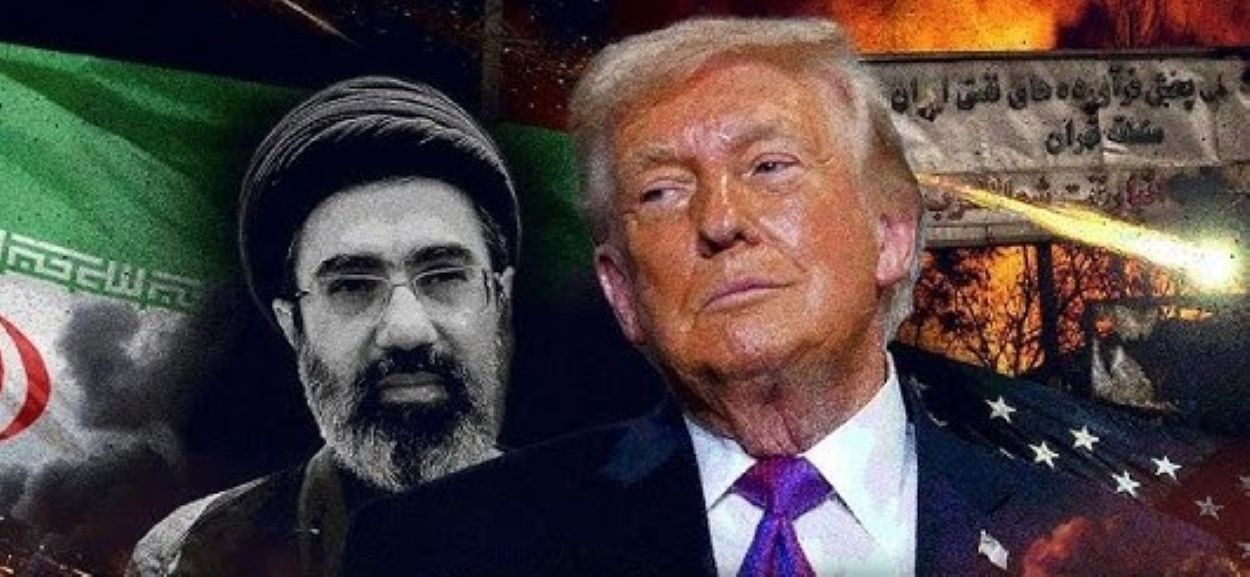

US-Iran peace talks stalled on May 12, 2026, after Tehran rejected a US proposal to end hostilities, prompting President Donald Trump to describe Iran’s counterproposal as “garbage” and putting the April 7 ceasefire “on life support.”
The Strait of Hormuz, through which one-fifth of global seaborne oil and LNG normally flows, remains largely closed.
Brent crude climbed above $104.50 a barrel as limited shipments continue under risk, including a Qatari LNG tanker transiting under a Pakistan-brokered arrangement.
Trump announced new sanctions targeting Iranian oil shipments to China and said he would suspend the federal gasoline tax temporarily to reduce US fuel costs.
A Reuters/Ipsos poll showed two-thirds of Americans believe Trump has not clearly justified the war.
China continues to import 80–90% of Iran’s crude, roughly 1.3–1.4 million bpd, using “shadow fleet” tactics including ship-to-ship transfers, AIS manipulation, and flag-hopping to circumvent US sanctions.
Strategic land routes via the China-Pakistan Economic Corridor (CPEC) provide alternative access to western China, although full-scale pipelines remain unrealised.
Turkey’s Foreign Minister Hakan Fidan will hold talks in Qatar on May 12 to ensure navigational safety in the strait, ahead of Trump’s planned meeting with Xi Jinping in Beijing on May 13.
NATO allies have declined to deploy ships without a formal agreement. The deadlock has disrupted global oil supply chains, raised LNG spot prices by 140% in Asia, and driven inflationary pressures on energy-dependent economies.
Prolonged instability in Hormuz could further push Brent toward $130 per barrel.