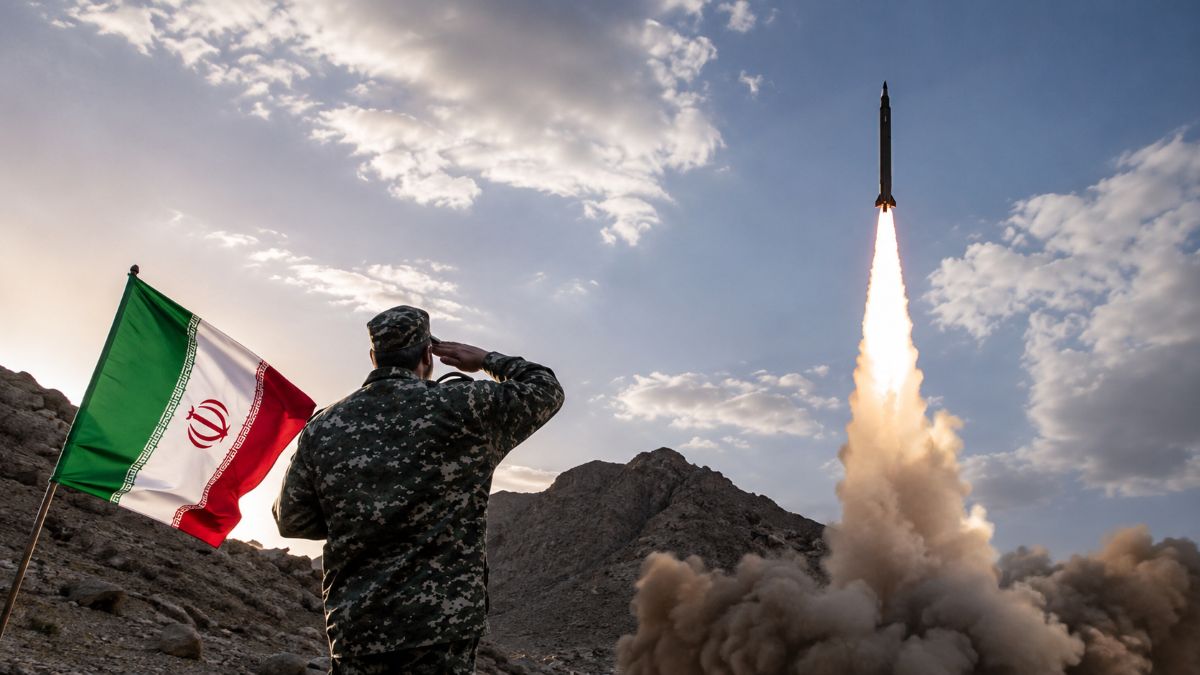

WASHINGTON/DUBAI: Iran strikes Gulf states with missiles and drones on Sunday as the United States hit 140 Iranian military targets, sharply escalating the dispute over the Strait of Hormuz.
Iranian attacks reached Qatar, the United Arab Emirates, Bahrain, Kuwait, Jordan and Oman, according to official statements and regional reports. Air-defence systems intercepted several projectiles, while authorities reported injuries and damage from falling debris and direct strikes.
Qatar said three people, including a child, were injured by shrapnel and held Iran responsible. The UAE said its air defences engaged missile and drone threats, while Bahrain reported intercepting additional Iranian aerial attacks.
US Central Command said its latest strikes began at 5 p.m. US Eastern Time on Sunday, or 2 a.m. Pakistan Standard Time on Monday. The military said the operation targeted Iran’s ability to attack commercial ships and civilian mariners using the strait.
US and Iranian forces have exchanged heavy missile and drone assaults, with Tehran targeting US facilities in states across the Gulf and saying it had again closed the vital Strait of Hormuz https://t.co/RqGkSZHTGF pic.twitter.com/bf1XMGGyB8
— Reuters (@Reuters) July 12, 2026Iranian media reported explosions near Bandar Abbas, Sirik and Qeshm Island, where military and maritime facilities are located. Iran’s Foreign Ministry condemned the US attacks and blamed Washington for the failure of Saturday’s talks with Oman in Muscat.
Iran’s newly established Persian Gulf Strait Authority said passage through the waterway was suspended because of US military movements. Washington rejected the claim and said commercial traffic continued through an expanded southern route near Oman.
The dispute intensified after an attack on the commercial vessel GFS Galaxy off the coast of Oman. India said 10 of the 11 Indian nationals aboard were rescued, while one remained missing.
President Donald Trump said the United States was striking Iran heavily but left open the possibility of further negotiations. The renewed fighting threatens an interim agreement signed in June to restore navigation and support 60 days of talks.
The Strait of Hormuz carried about one-fifth of global oil and liquefied natural gas shipments before the conflict disrupted maritime traffic.