

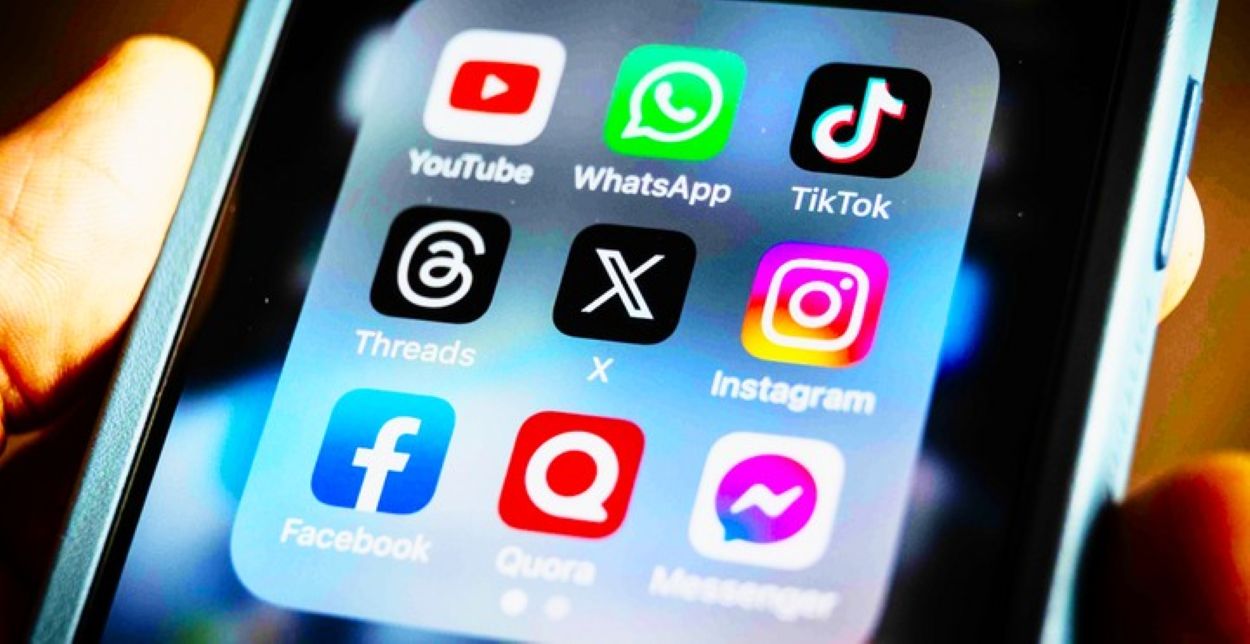

U.S. House Energy and Commerce Committee leaders agreed on children’s online safety legislation. This would require social media platforms to provide safeguards and tools for minors and parents.
Committee Chairman Brett Guthrie and top Democrat Frank Pallone announced the agreement Monday but did not release detailed bill language. The lawmakers said the proposal would “hold Big Tech accountable.”
“We worked across the aisle for many months and have now found common ground on policies to significantly improve the digital environment for kids,” Guthrie and Pallone said in a joint statement.
A spokesperson for committee Republicans said the agreement does not include a “duty of care” provision. Such language would require companies to design social media platforms with children’s safety in mind.
The bill still faces hurdles before becoming law, including support from the Senate and President Donald Trump. The White House press office did not immediately respond to Reuters’ request for comment.
House Speaker Mike Johnson supports the agreement, according to a source familiar with his thinking. Meanwhile, House Democrats have long pushed for a “duty of care” provision in children’s online safety legislation. This could complicate the bill’s path.
U.S. lawmakers have failed for years to pass comprehensive social media regulation at the national level. At least 20 states enacted laws addressing children’s social media use last year, according to the National Conference of State Legislatures.
Read: UK House of Lords Votes to Ban Social Media for Under-16s
Reuters previously reported that Meta Platforms, owner of Instagram, lobbied Congress for legal immunity from child-harm claims tied to social media products. In addition, Meta, Google’s YouTube, TikTok and Snap face thousands of lawsuits. These lawsuits accuse them of designing platforms harmful to young people.
Meta spokesperson Stephanie Otway said the proposed language “does not extinguish existing lawsuits, nor does it represent blanket immunity.”
Meta and Google’s YouTube face a combined $6 million in damages. This follows after losing the first such case at trial in California earlier this year.



