

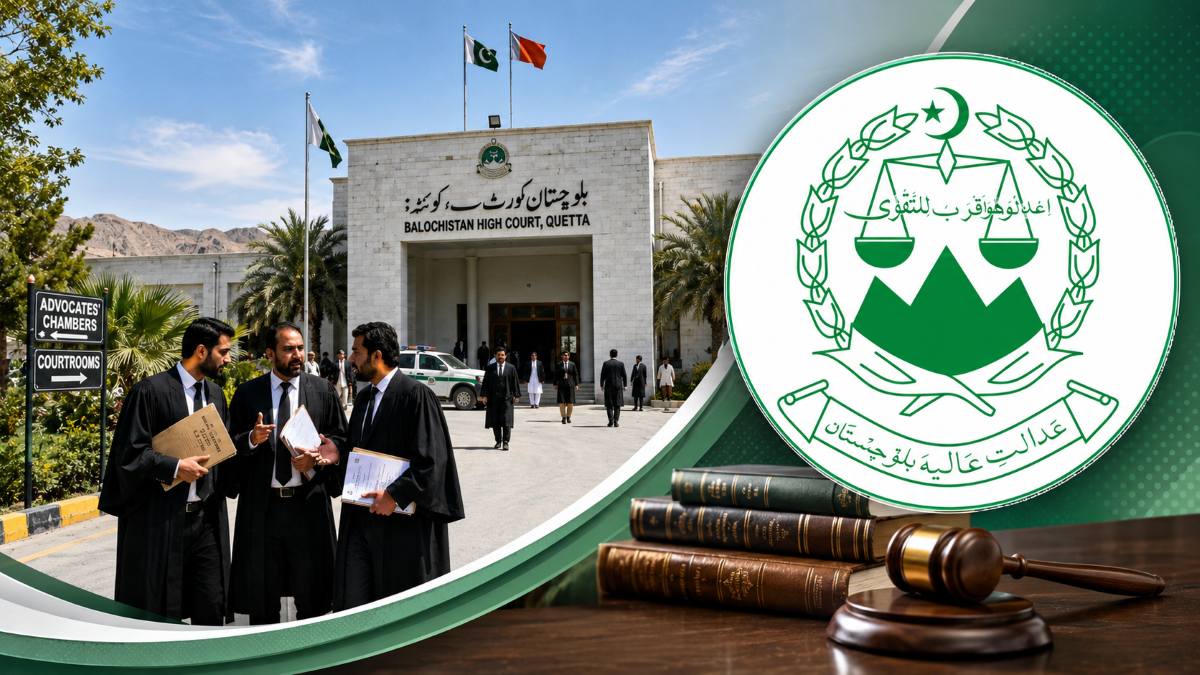

Three women have petitioned the Balochistan High Court over missing Balochistan highway toilets, saying unsafe travel conditions violate women’s rights to dignity and movement.
Petitioners Kulsoom Baloch, Fauzia Shaheen and Dr Quratulain Bakhtiari said major roads prioritise trade and connectivity while ignoring basic public sanitation.
The petition cites Articles 9, 14 and 15 of the Constitution of Pakistan. It argues that the state must protect life, dignity, privacy and freedom of movement.
According to the petitioners, there is no restroom for women on the Mastung-Kalat stretch of the Quetta-Makran route. They also said the Karachi-Quetta-Chaman N-25 Highway expansion plan lacks women’s toilets.
Balochistan has 42,911 kilometres of roads, according to the Balochistan Development Statistics report for 2018-19. However, many long routes lack safe, gender-segregated rest areas.
International highway design guidelines recommend major rest areas every 80-100km. They also recommend smaller stops about every 50km.
Women travellers described broken toilets without locks, water or privacy at stops such as Ormara on the Makran Coastal Highway. Some said they avoided drinking water during long journeys to reduce the need to use the bathroom.
Read: Balochistan Launches Electric Bike Scheme For Youth And Women
The health risks associated with prolonged travel without access to toilets. It said women reported urinary tract infections, dehydration and other problems linked to holding urine for hours.
Saif, a hotel owner in Ormara, said his stop handles 15 to 20 buses daily with limited water and sewerage support. He said proper bathrooms could cost Rs300,000 to Rs400,000 to build.
The petitioners called for safe, gender-segregated rest areas on routes through Awaran, Turbat, Gwadar, Chaghi, Pasni and Ormara. They also urged authorities to include women in transport-infrastructure planning.



