

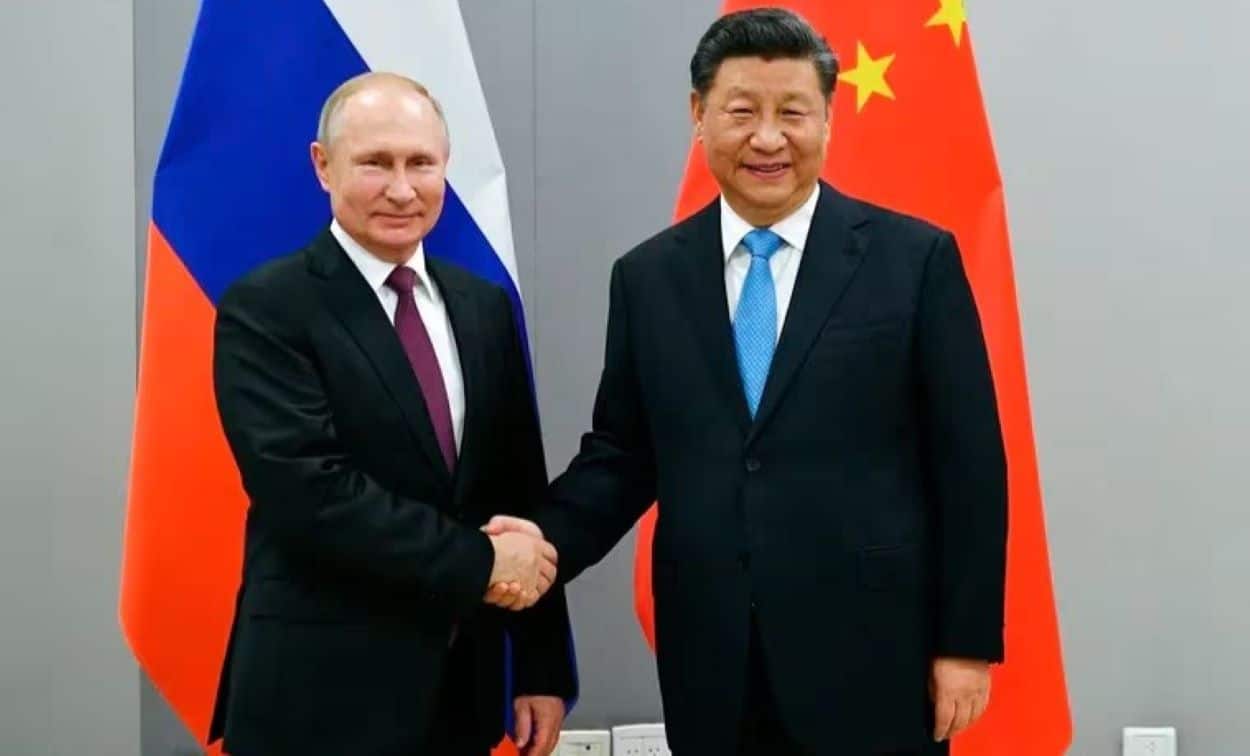

Chinese President Xi Jinping capped a busy diplomatic stretch with a series of high-level meetings that underscored Xi’s diplomatic approach as Trump fights allies over Iran, the Strait of Hormuz, and broader global tensions. The meetings in Beijing came during an unusually active week of outreach, with Xi presenting China as a source of stability while the United States remained consumed by conflict and friction with traditional partners.
Xi held at least five major meetings in Beijing over the week, marking the fastest pace of such diplomacy since July 2024 outside formal summit periods. His visitors included Spanish Prime Minister Pedro Sánchez, Abu Dhabi Crown Prince Sheikh Khaled bin Mohammed, and Vietnamese leader To Lam. The lineup reflected broad interest from governments looking to deepen ties with China at a volatile moment in world affairs. Analysts said many leaders increasingly view Beijing as a hedge against an unpredictable United States and as a defender of diplomacy, stability, and an open global economy.
China pushes a message of stability
Xi used the meetings to position China as a supporter of international rules and the multilateral order. He cast Beijing as a bulwark against disorder and what he described as a drift toward the “law of the jungle.”
That message appears aimed at countries unsettled by the widening Middle East crisis and by Washington’s aggressive rhetoric toward Iran. Beijing’s diplomatic tone also offered a clear contrast to the US approach, which has centered on military pressure and public threats tied to the Strait of Hormuz and Iran’s nuclear program.
Trump faces friction with allies
While Xi hosted foreign leaders, President Donald Trump spent much of the week publicly criticising figures who had once been seen as close partners. Trump attacked Italian Prime Minister Giorgia Meloni, UK Prime Minister Keir Starmer, and Pope Leo XIV. He also reportedly pressed allies to support US efforts to reopen the Strait of Hormuz, but with limited success. That has fed the perception of growing US isolation at a moment when China is trying to widen its influence through diplomacy rather than confrontation.
The backdrop to this diplomatic contrast is the ongoing crisis involving Iran and the Strait of Hormuz. Iran has announced a partial reopening of the strategic waterway, but the US naval blockade remains in force. Trump has insisted that pressure on Tehran will continue until a final deal is reached. At the same time, he is preparing for a meeting with Xi in Beijing in mid-May, which he has described as “special” and potentially historic.
That means the relationship between Washington and Beijing could soon become even more important in shaping the next phase of Middle East diplomacy.
Xi’s recent meetings suggest China is trying to convert global uncertainty into a diplomatic opportunity. Trump, meanwhile, is using pressure and confrontation to pursue his goals on Iran and regional security. As both leaders prepare to meet next month, the contrast between Beijing’s outreach and Washington’s disputes with allies may become one of the defining geopolitical storylines to watch.



