

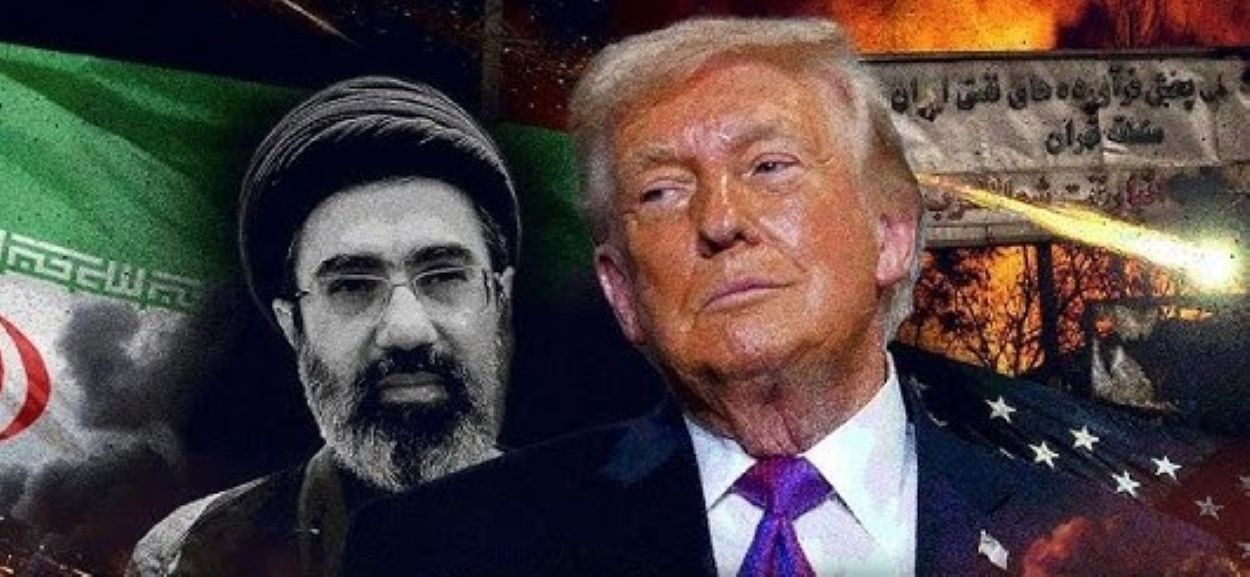

The debate over Iran regime change rhetoric is gaining fresh attention as the Middle East crisis enters a more volatile diplomatic phase. Public statements from Tehran, Washington and regional actors suggest that the conflict is no longer only about military exchanges, but also about competing political endgames and the future balance of power in the region.
Iran has rejected the idea of another temporary ceasefire and instead says it wants a comprehensive end to the war across the region. That tougher line comes as a separate 10-day ceasefire between Israel and Lebanon remains fragile and heavily conditioned.
Iran said it isn’t accepting any further temporary cease-fire between Washington and Tehran, and instead wants the conflict in the Middle East to “end here once and for all.” In remarks to reporters on the sidelines of an international conference in Turkey, Iranian Deputy Foreign Minister Saeed Khatibzadeh stressed Tehran’s “red line” that hostilities “from Lebanon to the Red Sea”—in all war zones in the region—must end, according to Turkey’s state news agency Anadolu.
Khatibzadeh also said a new set of regulations could be introduced for passage through the Strait of Hormuz, a vital waterway for global energy supply, if a permanent end to the conflict is reached and the U.S. moves away from what he called its “maximalist positions,” Anadolu reported
The current moment as a clash of narratives over war aims, diplomacy and political legitimacy. In practical terms, the latest tension centres on whether the conflict moves toward a broad settlement or slides back into escalation if talks fail.
Recent reporting says Iranian Deputy Foreign Minister Saeed Khatibzadeh rejected any further temporary ceasefire with the United States and called for a lasting resolution across multiple fronts, from Lebanon to the Red Sea. That position raises the stakes for ongoing diplomacy and leaves less room for short-term de-escalation formulas.
At the same time, President Donald Trump has maintained that any pause in hostilities is conditional and could collapse if negotiations do not produce a deal. In Washington, unease over the conflict has also surfaced in Congress, where the U.S. House narrowly rejected a war powers measure aimed at limiting further military action against Iran.
The wider regional picture is also shifting, with growing scrutiny of how major players, including the United States, Israel and Saudi Arabia, are positioned as the crisis evolves.
That pressure is unfolding alongside the Israel-Lebanon ceasefire, which took effect on April 16-17 but remains uncertain on the ground. Current reporting says the truce can continue only if negotiations make progress and Lebanon demonstrates stronger sovereign control, while Israel retains the right to act in self-defence against further attacks. This means the region is operating on two tracks at once: a fragile diplomatic opening and continued preparation for renewed confrontation.
Read: Trump Says Iran Agreed to Hand Over Enriched Uranium
Language about regime change, strategic defeat, or political isolation can shape expectations far beyond the battlefield. It affects markets, alliances, public opinion and the room leaders have to compromise.



