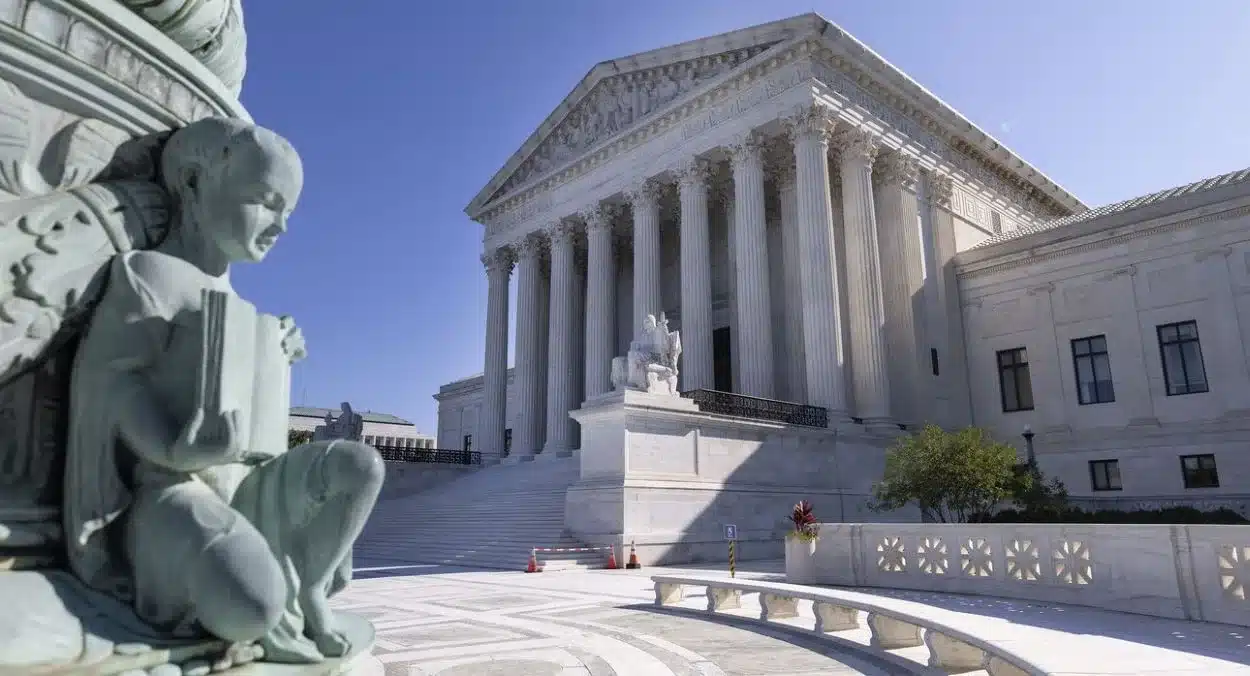

The United States Supreme Court, in Washington, DC, ruled in Louisiana v. Callais to strike down a second majority-Black congressional district, narrowing the application of the Voting Rights Act in redistricting cases.
AP reported that in a 6–3 decision, Justice Samuel Alito, writing for the majority, said Louisiana’s map constituted an unconstitutional racial gerrymander, rejecting the use of race in drawing districts without sufficient legal justification.
The ruling changes how Section 2 of the Voting Rights Act of 1965 is applied, requiring challengers to prove intentional discrimination rather than relying on the discriminatory effects of electoral maps, according to the court opinion.
Justice Elena Kagan, joined by Justices Sonia Sotomayor and Ketanji Brown Jackson, dissented, stating the decision weakens a key federal safeguard against racial vote dilution.
Legal analysts said the decision could affect congressional and state legislative maps across the South and Southwest, where courts have previously required majority-minority districts under federal law.
Read: Democrats split over Israel as Midterms Strategy Takes Shape
Civil rights groups, including the Leadership Conference on Civil and Human Rights, said the ruling would make it harder to challenge district boundaries, while organisations such as the NAACP warned of reduced legal protections for minority voters.
The decision follows earlier rulings, including Shelby County v. Holder (2013) and Brnovich v. Democratic National Committee (2021), which also limited provisions of the Voting Rights Act.