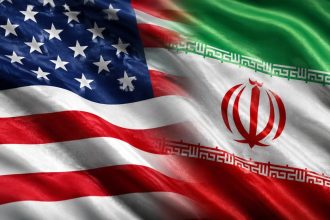
US-Iran talks, Islamabad preparations appear to be gaining momentum after a reported advance team from the United States arrived in the federal capital ahead of a possible second round of dialogue with Iran. At the same time, authorities in Islamabad and Rawalpindi have tightened security and imposed transport restrictions as foreign delegations begin arriving.
The reported talks are said to be expected next week. However, it does not cite any official confirmation from Pakistan, Iran, or the United States regarding the final schedule.
Authorities sealed the Red Zone and the Extended Red Zone to all traffic because of the arrival of foreign delegations. Islamabad Police advised citizens to use alternate routes and cooperate with traffic officials to help maintain security and traffic flow.
In addition, district administrations in Islamabad and Rawalpindi announced an immediate suspension of public and goods transport. The Islamabad deputy commissioner said heavy and public transport services would remain suspended until further notice, while Rawalpindi officials issued a similar message covering private, public, and goods transport.
A day earlier, City Police Officer Syed Khalid Mahmood Hamdani placed Rawalpindi Police on high alert. State-run APP reported that authorities deployed more than 10,000 police personnel and established over 600 special pickets to monitor entry and exit points.
Read: Mojtaba Khamenei Issues Chilling Message Amid Iran-Israel Truce
Authorities assigned Elite Commandos, trained snipers, Dolphin Force units, police mobiles, and other quick-response teams to security duties. They also intensified search, sweep, and combing operations, as well as intelligence-based operations across the city.
Authorities further tightened security around sensitive installations, key public and private sites, and important residential locations. They also used Safe City surveillance systems, CCTV cameras, and modern monitoring tools for continuous observation.
The current preparations build on Pakistan’s earlier role in facilitating dialogue between Washington and Tehran. According to the report, Pakistan previously hosted talks after a ceasefire that Prime Minister Shehbaz Sharif reportedly brokered on April 8.
The report also highlights Pakistan’s continued diplomatic efforts, including Field Marshal Asim Munir’s visit to Tehran. In addition, Iranian Parliament Speaker Mohammad Bagher Ghalibaf said the talks with Washington had shown “progress,” although important gaps remained. US President Donald Trump described the conversations with Iran as “very good.”