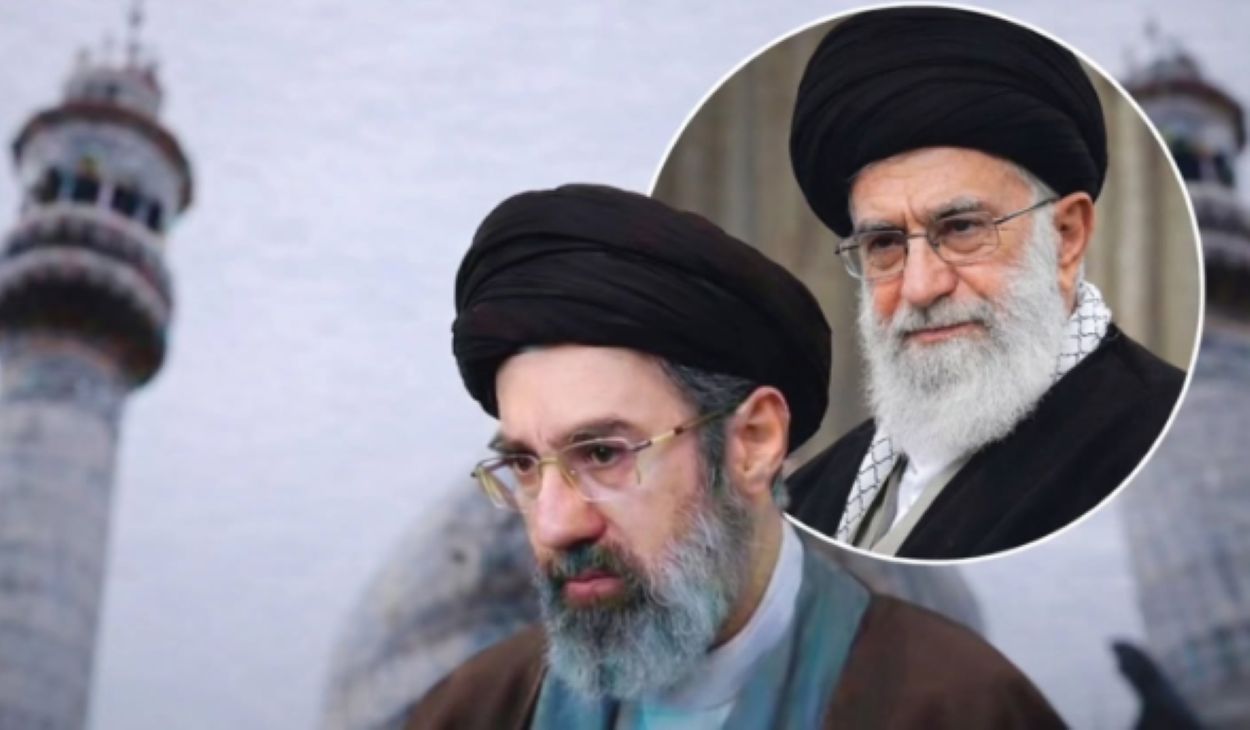

A chilling message from Mojtaba Khamenei has intensified attention on the region after Iran’s supreme leader warned that the country’s navy is ready to deliver “new bitter defeats” to its enemies. The statement came during Iran’s Armed Forces Day and at a time when a fragile truce with Israel remains under pressure.
Khamenei reportedly posted the message on his Telegram channel, and Iranian state media quickly repeated it. He delivered one of his strongest public statements since taking power after the February 28 strike that killed his father, Ali Khamenei, and reportedly left him seriously injured.
In the statement, Khamenei said Iran’s drones strike “like lightning” and claimed the navy stands ready to inflict further defeats. He also said the Iranian Army is defending the country’s land, waters, and flag while standing with other armed forces against the United States and Israel. The statement projected defiance at a time when Iran is trying to show strength despite recent military losses.
Mojtaba Khamenei has not been seen publicly since the strike that reportedly caused severe injuries, including the loss of a leg. His continued absence has fueled speculation about his condition even as official channels present him as firmly in command. That contrast has added weight to his latest remarks. While he remains physically absent, the rhetoric coming from his office suggests Tehran wants to signal resilience to both domestic and international audiences.
The warning also came amid renewed tensions in the Strait of Hormuz. Iran reimposed restrictions on the waterway after the United States said its blockade of Iran-linked ships would remain in force. At the same time, the current 10-day truce between Iran and Israel is due to expire on April 22, 2026. That deadline has raised fears that the region could return to direct confrontation if talks fail or military pressure intensifies.
Tehran and Washington Offer Opposing Narratives
Khamenei’s message sharply diverged from President Trump’s account. Trump said Iran’s military, particularly its navy, had suffered heavy damage and described the country as being in “very bad shape.”
That gap between Tehran’s rhetoric and Washington’s assessment now sits at the center of the standoff. For now, both sides are using public messaging to shape the narrative while the ceasefire remains fragile.
The New York Post used an unethical phrase for Syed Mojtaba Khamenei, calling him Iran’s “disfigured supreme leader” and saying he had issued a “chilling message.” Such language does not inform readers. It sensationalises the story, strips it of professionalism, and exploits appearance to provoke emotional reaction.