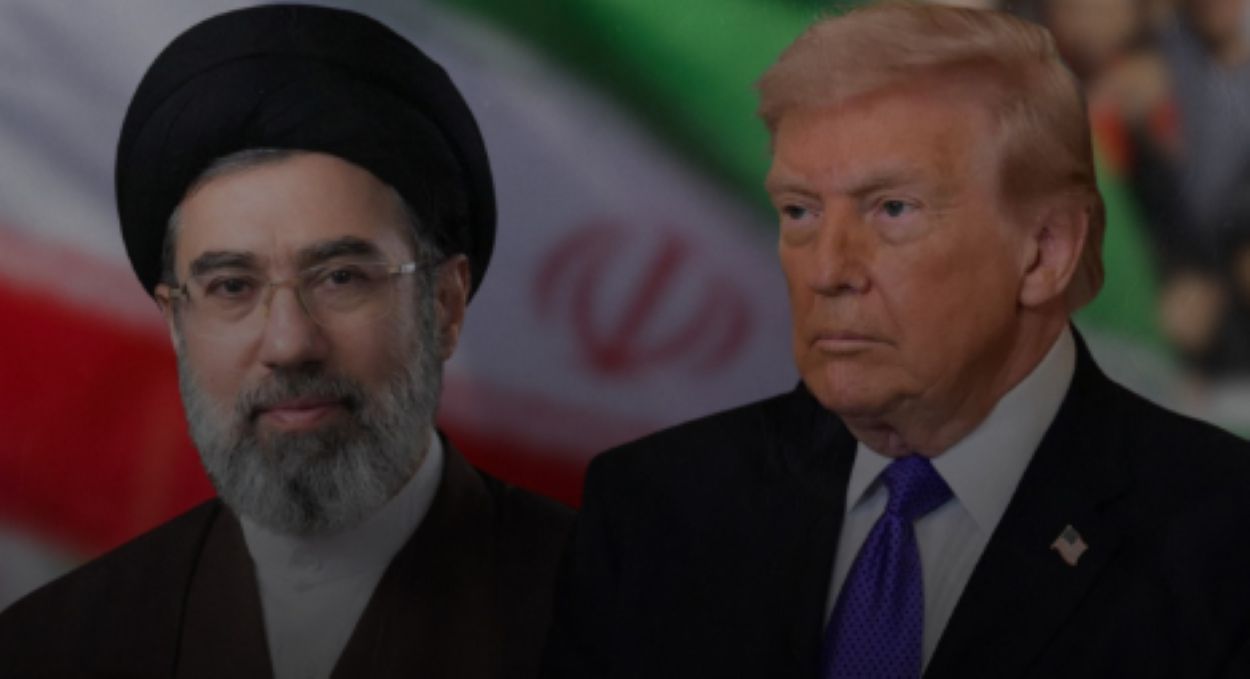

The Iran Talks stalled on Saturday after President Donald Trump said he cancelled a planned trip by US envoys Steve Witkoff and Jared Kushner to Islamabad, Pakistan, for negotiations involving Iran. Trump told Fox News that the United States “holds all the cards” and that Iran could contact Washington if it wanted to talk.
Trump stopped Witkoff and Kushner from flying to Pakistan for Iran-related talks, saying the trip was not worth an 18-hour flight. Iranian Foreign Minister Abbas Araghchi had already visited Islamabad and met Pakistan’s prime minister before leaving the country, according to the source brief.
Trump told Fox News White House correspondent Aishah Hasnie that he told his team not to make the journey. He said the envoys were preparing to leave when he decided not to send them to Pakistan.
His message was blunt. According to the source brief, Trump said the United States had the stronger negotiating position and that Iran could call “anytime” if it wanted to engage. He also dismissed the idea of making long flights “to sit around talking about nothing.”
The decision turned the planned Pakistan track into a public diplomatic pause. Instead of another round of indirect engagement, Washington signalled that Tehran would need to make the next move.
Araghchi Leaves Islamabad After Pakistan Meetings
Iranian Foreign Minister Abbas Araghchi had already been in Islamabad for talks with Pakistani leaders. The source brief says he left Pakistan after meeting the country’s prime minister.
That sequence matters. Pakistan was not presented as a party to the dispute, but as a possible channel for communication between Washington and Tehran. Islamabad’s involvement gave the talks a regional setting and offered both sides a way to exchange messages without a direct bilateral meeting.
Read: US Iran Talks Pakistan: Envoys Travel to Islamabad
The cancellation does not erase those contacts, but it does limit their immediate value. Without the US envoys’ arrival, the Islamabad round could not move into the next phase that had been expected.
Trump said he cancelled the trip because he did not think it was worth sending US negotiators on an 18-hour flight. He argued that the United States had leverage and that Iran could contact Washington directly.
That explanation puts pressure on Tehran to take the next step, whether public or private. It also signals that Trump does not want further travel-based diplomacy unless he sees a clearer outcome.