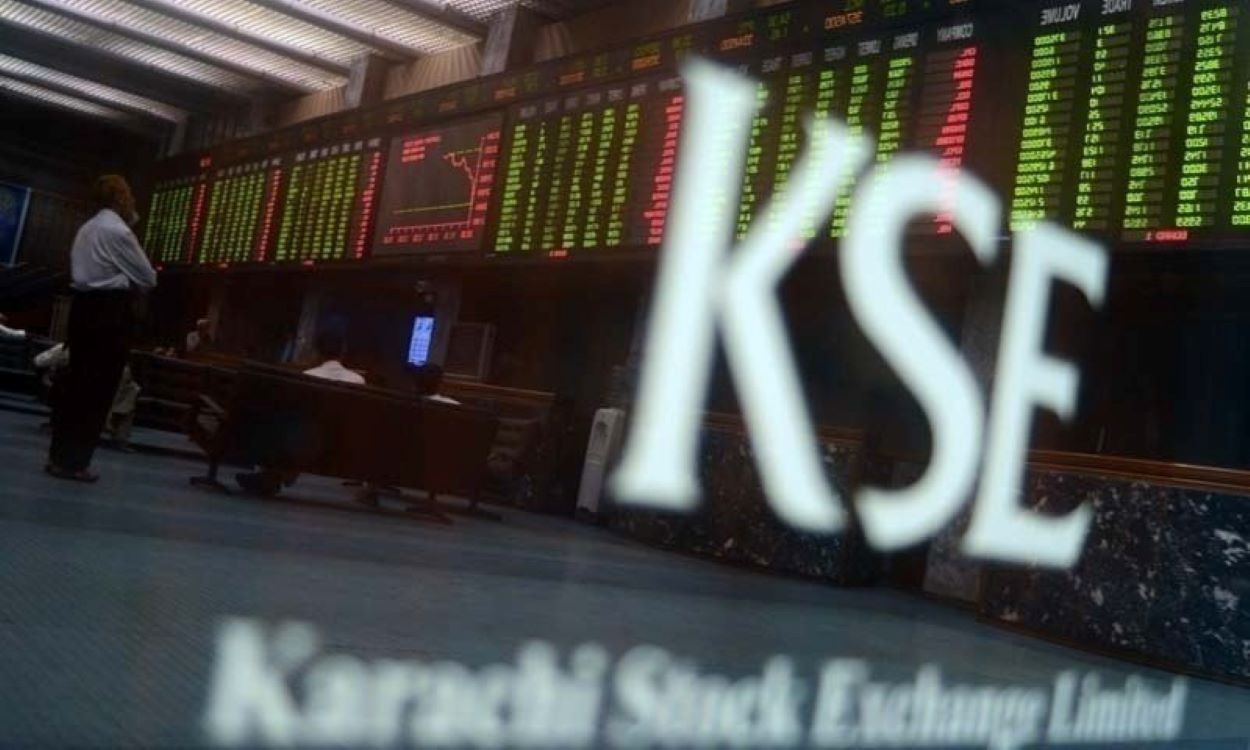

The PSX fell amid the Iran tensions narrative, which returned to the market on Monday, as investors turned cautious amid renewed uncertainty in US-Iran negotiations, rising oil prices and weaker global equity sentiment.
The Pakistan Stock Exchange’s benchmark KSE-100 Index swung sharply during trading. It rose to an intraday high of 174,523.76, up 584.75 points, before sliding to a low of 169,226.56, down 4,712.45 points from the previous close of 173,939.01.
Selling pressure intensified as investors responded to geopolitical uncertainty and a broader risk-off mood. Concerns over renewed US-Iran tensions, rising government bond yields, falling global equities and a jump in crude oil prices all contributed to bearish activity at the PSX.
The move reversed some of the strong optimism seen in the previous session, when the market had rallied sharply.
Iran’s Foreign Ministry spokesman Esmail Baghaei says Tehran has no plans for the next round of negotiations, deepening uncertainty over whether diplomacy can move forward. #IranWar #Pakistan #USIranTalks #Israël #TrumpNOWar pic.twitter.com/qiTEWk3aoH
— Photo News (@PhotoNewsPk) April 20, 2026Oil Prices and Diplomacy Concerns Weigh on Sentiment
Investor caution increased after Iran signalled that it had no immediate plans for a second round of negotiations with the United States. Iranian media also reported that lifting the US blockade remained a precondition for talks.
At the same time, oil prices surged after Iran said it had closed the Strait of Hormuz again over the weekend, just a day after reopening it. According to the market update, WTI rose more than 7% at one stage, while Brent gained more than 6%.
The sharp decline followed a strong rally on Friday, when the KSE-100 Index jumped 4,027.06 points, or 2.37%, to close at 173,939.01.
Read: Oil Prices Jump on Iran Tensions and Hormuz Closure
During that session, the index touched an intraday high of 174,404.03 and a low of 170,758.26. Monday’s volatility showed how quickly market sentiment shifted as geopolitical risks returned to the forefront.
The latest trading session reflected how sensitive local equities remain to global shocks, especially when conflict risks affect oil markets and broader investor confidence.
Traders appear to be closely watching both diplomatic signals and energy prices. Any further escalation in the region or continued uncertainty around talks could keep sentiment under pressure in the sessions ahead.