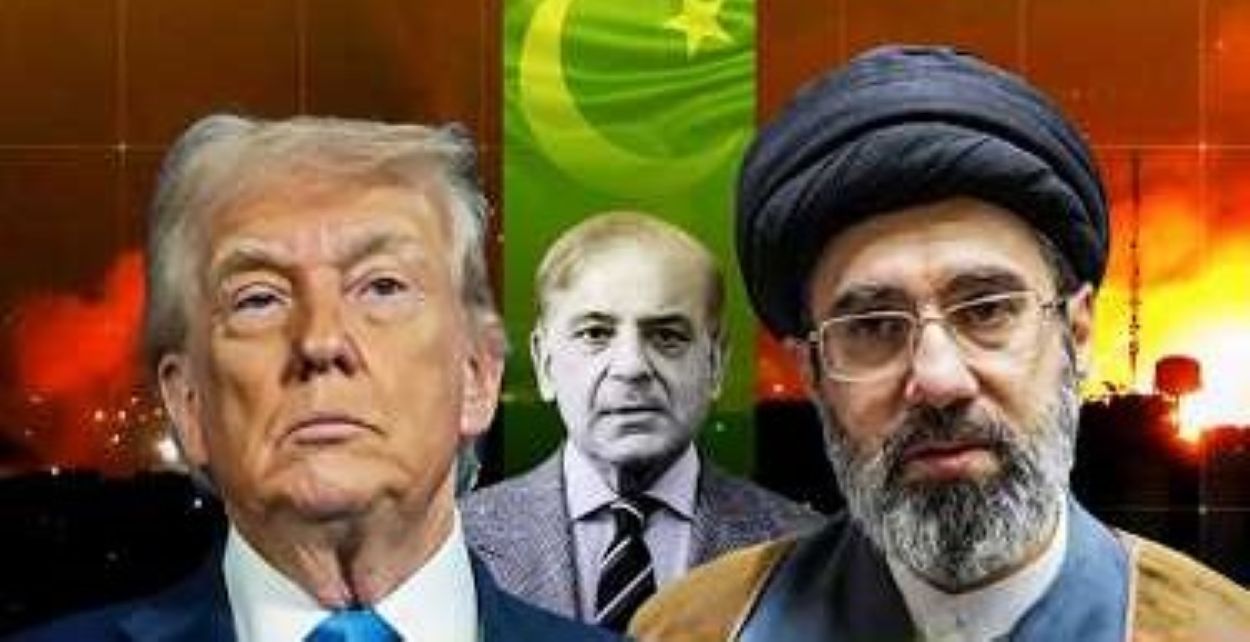

Pakistan to host US-Iran talks is now the likely scenario for the next round of in-person negotiations, according to White House press secretary Karoline Leavitt. Speaking on April 15, she said discussions are still “productive and ongoing,” although no formal date has been announced yet. Leavitt said the next meeting would “very likely” take place in the same location as the previous round, pointing to Islamabad as the expected venue.
Her remarks underline Pakistan’s growing role as a key channel between Washington and Tehran. The White House strongly endorsed Pakistan’s role in the negotiations. Leavitt said Pakistan had been an “incredible” mediator and described Islamabad as the only mediator in the current process. That public praise is significant.
It signals that the Trump administration wants to keep communication with Iran streamlined through Pakistan, even as other countries reportedly remain interested in helping with talks.
Although expectations are rising, the second round of talks has not been formally scheduled. The White House said nothing is official until it is announced publicly. Still, officials described the ongoing contacts with Iran as constructive. That suggests both sides are keeping the diplomatic channel open despite tensions, following the first in-person session, which ended without a breakthrough.
Leavitt also pushed back on reports claiming the United States had asked to extend the current two-week ceasefire with Iran. She said those reports were not true. The ceasefire is set to expire on April 21. Even so, Washington says discussions are continuing, raising the possibility that fresh diplomacy could move ahead before that deadline.
The first Islamabad talks reportedly lasted many hours but ended without a final agreement. Major sticking points remain, including the Strait of Hormuz, Iran’s nuclear program, sanctions relief, and wider regional security guarantees.
Read: Senate Backs Trump On Iran War Powers Resolution
The United States later imposed a naval blockade targeting Iranian-linked economic activity, while Iran threatened countermeasures. That backdrop shows why the next round, if held in Pakistan, would be both sensitive and closely watched.
Leavitt said President Xi Jinping had assured President Trump that China was not supplying weapons to Iran. Washington, she said, is taking Beijing at its word for now. That issue adds another layer to an already tense diplomatic moment. Even so, the White House has continued to signal optimism that a deal may still be within reach.