

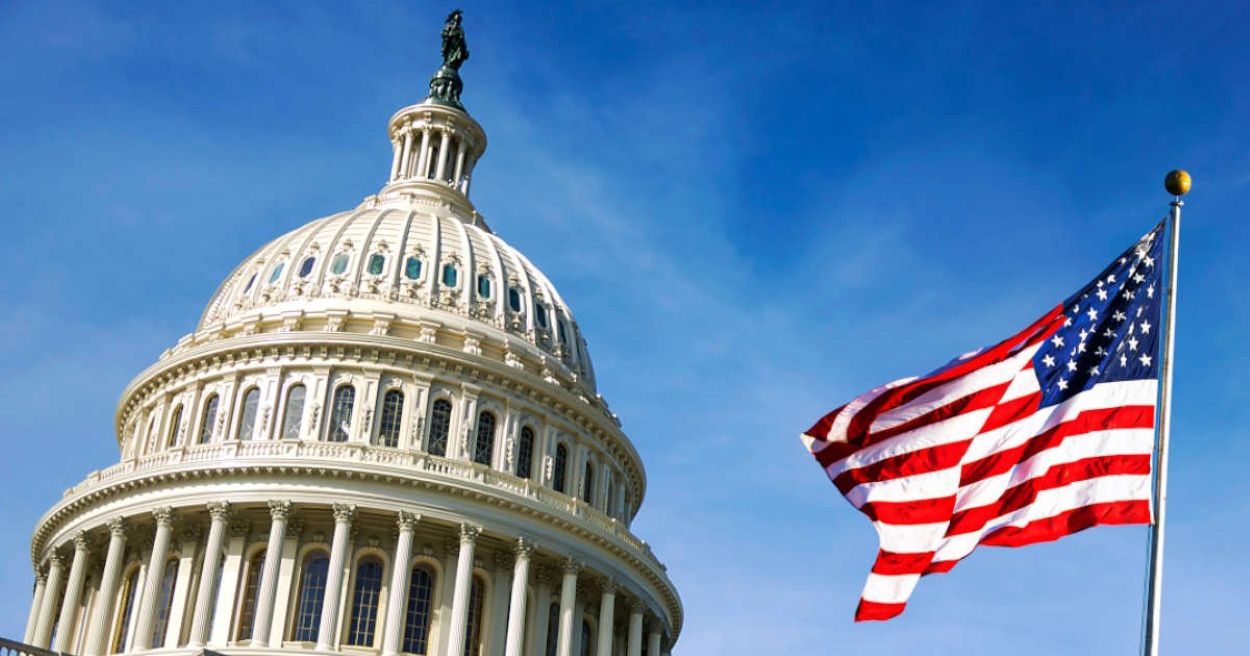

The Senate vote on Iran war powers delivered a political win for President Donald Trump on Wednesday, as a majority of senators backed his military campaign against Iran and blocked a Democratic-led effort to stop the war unless Congress authorises it. The chamber voted 52-47 against advancing the resolution, highlighting continued Republican support for Trump’s war policy more than six weeks after US and Israeli airstrikes began.
Trump said in an interview aired on Wednesday that the war was close to over. On the same day, Pakistan’s army chief arrived in Tehran to try to prevent the conflict from restarting after weekend peace talks ended without a deal.
The failed measure marked the fourth time Democrats have forced a Senate vote on war powers since the conflict began. Each attempt has failed, with nearly every Republican senator opposing the resolutions.
Senator Rand Paul of Kentucky was the only Republican to support the latest measure. Pennsylvania Democrat John Fetterman was the only member of his party to vote against it, while Republican Senator Jim Justice of West Virginia did not vote.
Republicans and the White House argue that Trump acted within his legal authority as commander-in-chief. They say the president can order limited military operations to protect the United States without waiting for Congress, especially in urgent situations.
Debate Over Congress And Presidential Authority
Democrats said the vote raised a deeper constitutional issue. They argued that Congress, not the president, has the power to declare war and warned that continued fighting could drag the country into a longer conflict.
Senator Jack Reed of Rhode Island urged colleagues to back the resolution and choose diplomacy over escalation. Democratic leaders also pledged to keep introducing war powers measures until the fighting ends or Congress formally approves continued military action.
Before the vote, Senator Jim Risch of Idaho sharply criticised supporters of the resolution. He accused them of helping Iran, underscoring how bitter the debate has become inside Congress.
The vote came despite polling that suggests the war remains broadly unpopular. A Reuters/Ipsos poll published on March 31 found that 60% of Americans opposed US military strikes on Iran, although views split sharply by party. According to the poll, 74% of Republicans supported the action, compared with 7% of Democrats.
Read: Iran May Allow Safe Passage Through Omani Waters in Hormuz Talks
Attention now shifts to the House of Representatives, which is expected to consider a similar measure later this week. That means the struggle between Congress and the White House over war powers is far from over, even as Trump claims the conflict may be nearing its end.



