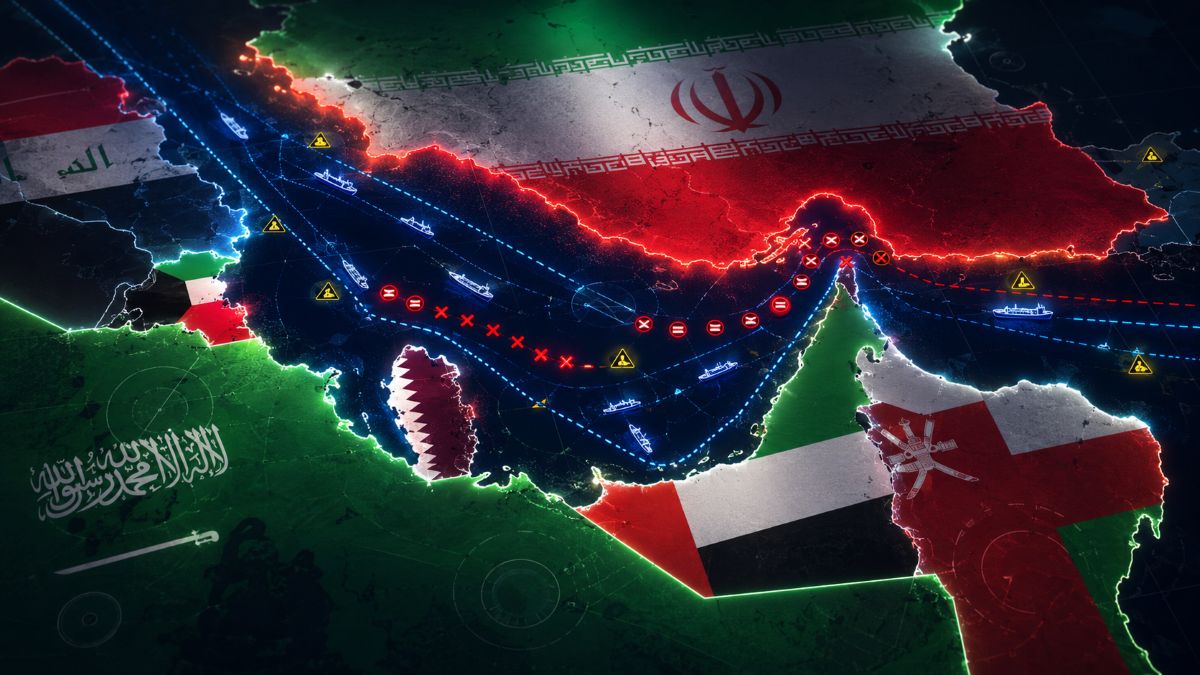

Oil flows through the Strait of Hormuz resumed on June 18 as three Saudi-flagged supertankers carrying 6 million barrels of crude crossed the waterway, Reuters reported.
The movement came hours after US President Donald Trump signed a memorandum of understanding with Iran to end the conflict that disrupted global energy markets.
Iranian President Masoud Pezeshkian also signed the agreement, which entered into force two days earlier than expected.
The memorandum calls for the immediate reopening of the Strait of Hormuz and the lifting of a US blockade on Iranian ports.
Brent crude futures fell a further 2% to below $78 a barrel, their lowest level since the conflict began. Shipping companies cautioned that restoring traffic to pre-war levels would take time. They cited safety concerns and the need for mine clearance in the strategic waterway.
The vessels that had concealed their locations by switching off transponders resumed broadcasting positions as they prepared to transit the strait.
The memorandum begins a 60-day negotiation period aimed at producing a final settlement to the war that began in February. Israel was excluded from the talks despite its campaign in Lebanon against Hezbollah.
Read: Petroleum Price Reduction Expected as Oil Falls After US-Iran Deal
The agreement calls for the “permanent termination” of the conflict in Lebanon and guarantees for the country’s territorial integrity and sovereignty.
However, Lebanese state media reported three deaths in Israeli airstrikes on Kfartebnit and Zebdine. Israeli officials signalled no plan to withdraw forces from southern Lebanon.