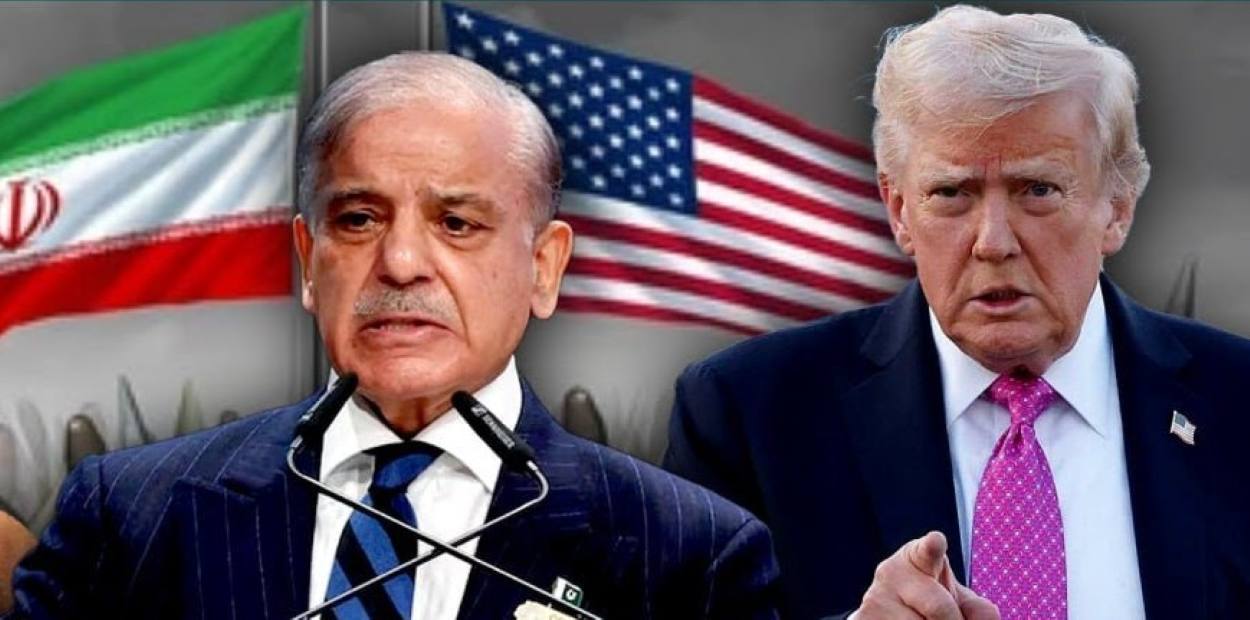

Pakistan’s Iran war Pakistan mediation effort faced fresh uncertainty after President Donald Trump cancelled a planned visit by U.S. envoys Steve Witkoff and Jared Kushner to Islamabad for talks on the crisis.
Trump said the long flight was unnecessary and argued that Iran could contact Washington directly if it wanted serious negotiations.
Iranian Foreign Minister Abbas Araghchi had earlier visited Islamabad for talks with Pakistani officials, placing Pakistan at the centre of diplomatic efforts as the conflict moved beyond battlefield strikes.
A The ceasefire had been extended, but pressure continued around the Strait of Hormuz, a key global energy route where shipping restrictions have affected fuel supplies, cargo movement and market confidence.
For Pakistan, disruption in the Gulf could affect energy prices, trade flows, Pakistani workers in countries such as the UAE, and remittances that support household incomes.
The UNDP warned that the conflict could push more than 30 million people back into poverty due to disruptions to fuel, fertiliser and shipping supplies.
Read: Trump Iran Talks: Pakistan Envoys Trip Canceled
Independent estimates of U.S. military costs range from $28 billion to $35 billion, with Senator Jack Reed warning that replacing high-value weapons used in the conflict could take years.
Security measures in Islamabad around expected talks have also affected residents, underscoring how high-level diplomacy has led to local restrictions and shortages.