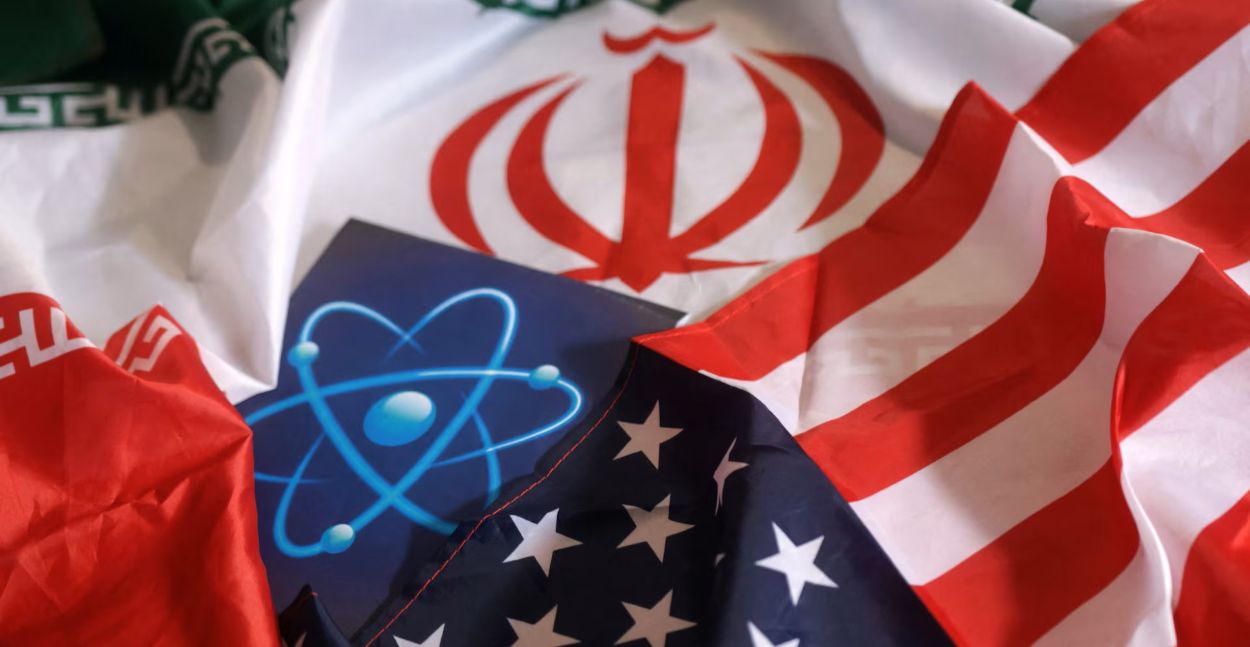

Iran has issued a warning that attacks on its oil and gas infrastructure could lead to strikes on Saudi Arabian energy facilities and other Gulf assets. The threat reflects a deterrence strategy and raises concerns about disruptions to global oil supply, shipping routes, and energy prices.
Iranian officials have indicated that “clear” targets exist within Saudi Arabia’s energy network, including facilities linked to Saudi Aramco, the world’s largest oil exporter.
The warning extends beyond Saudi Arabia. Tehran has also signalled potential action against infrastructure in the United Arab Emirates, Qatar, Kuwait, and Bahrain if these countries are seen as supporting U.S. or Israeli operations. Iran’s response could vary depending on the nature of any attack on its territory or economic assets.
The warning follows heightened tensions after reported strikes on Iranian energy sites, including the South Pars gas field. Al Jazeera reported earlier that Iran threatened retaliation after an Israeli attack on the facility.
Iranian officials describe their approach as an “escalation ladder,” meaning responses could intensify step by step if pressure increases.
The Strait of Hormuz remains a key pressure point. Associated Press reported that Iran closed the waterway on April 18, 2026, amid rising tensions, warning vessels could be treated as hostile.
This chokepoint handles roughly one-fifth of global oil shipments, making it one of the most strategically sensitive routes in the world.
The Strait of Hormuz connects the Persian Gulf to global markets and carries about 20% of the world’s oil shipments. Any disruption can quickly affect supply chains, increase transport costs, and trigger price volatility worldwide.
Read: Mojtaba Khamenei Images Ban Sparks Global Debate
A conflict could reduce supply or delay exports, thereby raising oil prices. Import-dependent countries would face rising fuel costs, which could feed into inflation, transport expenses, and electricity prices.