

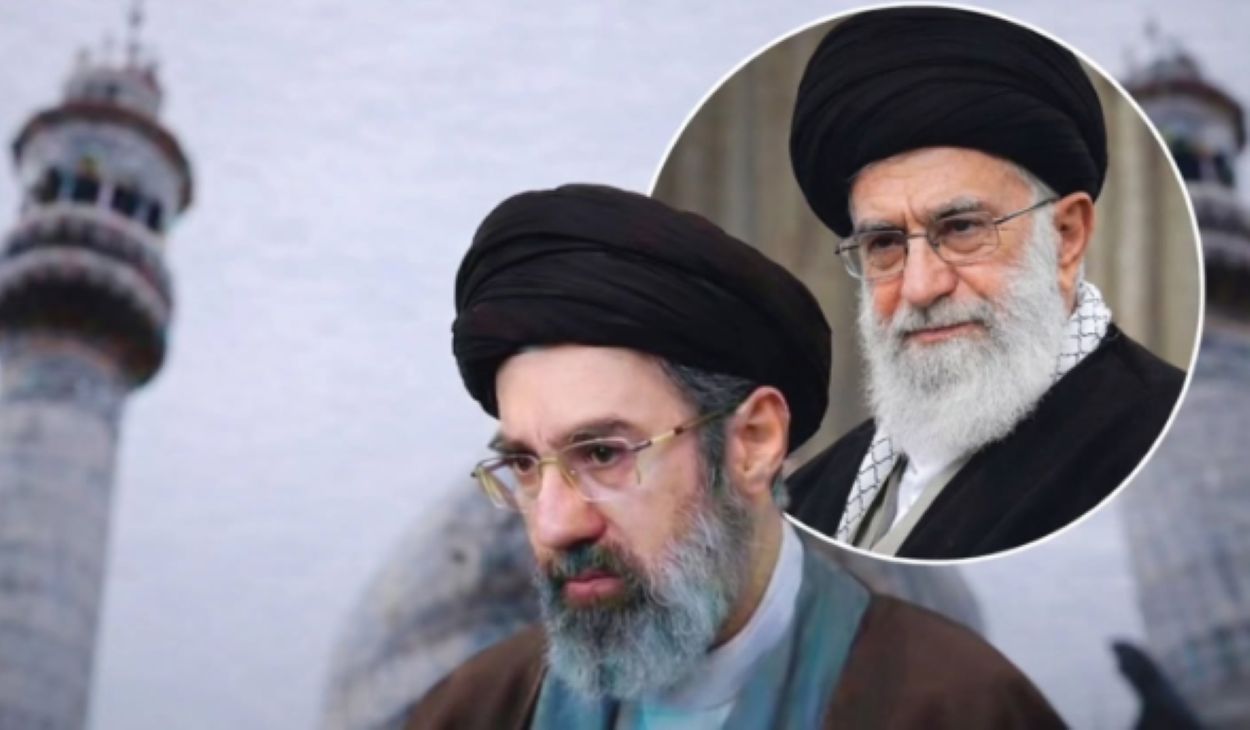

Salar Velayatmadar, a member of Iran’s parliamentary National Security Commission, said the decision followed consultations with religious scholars in Najaf, Qom, and Mashhad, as well as security agencies.
He claimed adversaries could exploit images using “particular methods” or “unconventional techniques,” including what he described as “occult sciences.”
Velayatmadar also alleged that such techniques are studied abroad, including in Tel Aviv, though no independent evidence was provided to support the claim.
The reference to “occult sciences” is highly unusual in official political discourse. Analysts say the explanation may reflect a blend of religious belief and security messaging within Iran’s power structure.
Others argue it could serve as a cover for more conventional concerns, such as assassination risks or intelligence vulnerabilities.
The ban on the Mojtaba Khamenei image comes amid ongoing questions about his public visibility. Since reports said he assumed power in March 2026, he has not appeared regularly in public. Officials named Mojtaba Khamenei the supreme leader on March 8 after the killing of his father, Ali Khamenei, in February.
Velayatmadar rejected rumours that a February 28 strike on the Leader’s compound in Tehran had seriously injured Khamenei. He said Khamenei suffered only minor injuries and remained conscious.
However, other reports, including those cited by the New York Post, suggest that he may be recovering from more serious injuries. These claims remain unverified, and officials have not released any recent video or audio messages confirming his condition. With Mojtaba Khamenei largely absent from public view, other officials have taken on a more prominent role.
President Masoud Pezeshkian, Foreign Minister Abbas Araghchi, and Parliament Speaker Mohammad Bagher Ghalibaf have been more visible in diplomatic efforts, according to multiple reports.
Analysts cited in the source material suggest the Islamic Revolutionary Guard Corps (IRGC) may be exerting greater influence over decision-making during this period of uncertainty. The controversy comes as Iran faces pressure over negotiations with the United States and tensions around the Strait of Hormuz, a critical global oil route.
U.S. President Donald Trump has described Iran’s leadership as “seriously fractured,” reflecting uncertainty over who holds decisive authority in Tehran.
Why are no new images of Mojtaba Khamenei being released?
Iranian officials say images are being withheld due to security concerns, including fears that adversaries could use unconventional or “occult” methods to harm him. The decision was reportedly based on advice from religious scholars and security agencies.
Officials claim Mojtaba Khamenei suffered only minor injuries after a February strike. However, other reports suggest more serious health concerns. His absence from public appearances has fueled speculation, and his condition remains unconfirmed.
Read: Israel Lebanon Ceasefire Extension Announced for 3 Weeks
In this context, “occult sciences” refers to beliefs in non-conventional methods that could be used to harm individuals. While such claims are unusual in modern security policy, they may reflect cultural or religious perspectives within Iran’s leadership.
The ban on images of Mojtaba Khamenei highlights the growing secrecy around Iran’s leadership at a critical moment. With health questions unresolved and geopolitical tensions rising, how Tehran manages transparency and authority will shape both domestic stability and regional dynamics in the months ahead.



