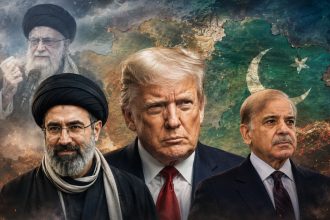
Iran’s Strait of Hormuz reopening threat remains in focus after Tehran said the vital waterway had reopened to commercial vessels, while also warning it could close again if the United States keeps its naval blockade in place. The announcement briefly raised hopes of easing pressure on global oil flows. However, both Iranian statements and shipping data suggest transit through the strait is still far from normal.
Iran said ships can pass through the strait, but only on routes designated by Iranian authorities. That means the passage is not operating as a fully unrestricted commercial corridor. Shipping analysts said vessel movement remains confined to approved lanes, and some ships have already turned back. Questions also remain over whether certain vessels could face additional controls or possible tolls.
President Donald Trump initially celebrated the reopening, saying the Strait was fully open for business. Soon after, though, he made clear that the US naval blockade on Iranian ports and ships would remain “in full force” until a broader deal with Tehran is completed. Trump also warned that if no agreement is reached when the ceasefire expires, military action could resume. At the same time, he said he still believes a deal is likely and suggested another round of talks could happen soon.
Iranian officials argued that the US blockade violates the ceasefire framework. Tehran also signaled that the reopening may not last if Washington keeps applying military pressure. Parliamentary speaker Mohammad Bagher Qalibaf warned that the strait “will not remain open” under continued blockade. Foreign Minister Abbas Araghchi also indicated that ships would continue to move under Iranian coordination. That leaves global shipping in a fragile position. While the route is technically open, Iran still appears determined to keep leverage over access.
Diplomatic efforts are reportedly centred on three main issues: Iran’s nuclear program, the Strait of Hormuz, and wartime compensation. Trump has also claimed Iran may hand over its enriched uranium, which he has referred to as “nuclear dust.” Neither Iran nor mediators have confirmed such an agreement. Those disputes underline how far the two sides still are from a final settlement, even as both hint at fresh talks.
Read: Trump Says Xi Happy as Hormuz Reopens Ahead of China Meeting Gains Attention
The Strait of Hormuz carries about 20% of the world’s oil, making any disruption there a global concern. Even a partial reopening can affect oil prices, shipping confidence, and wider regional diplomacy. For now, the situation remains unstable. Iran says the Strait of Hormuz is open, but with conditions. The US says pressure will continue until a deal is done. As a result, the risk of renewed disruption has not disappeared.