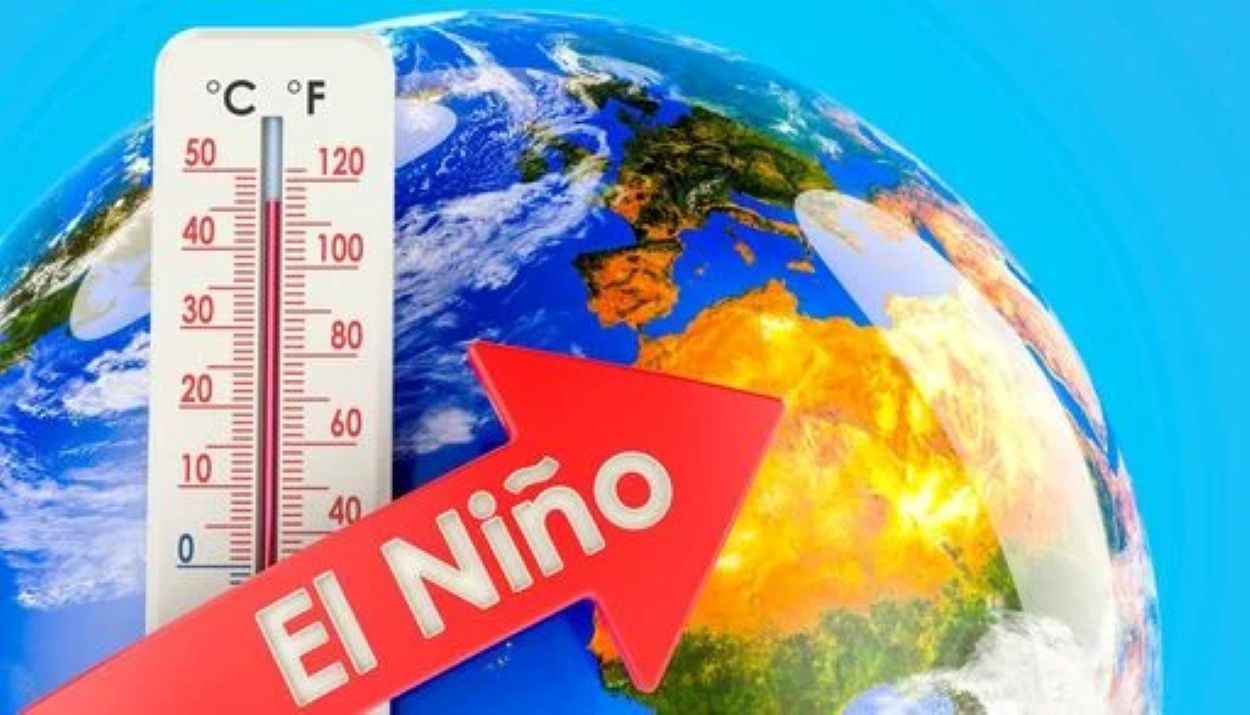

Meteorologists have warned that a super El Niño could develop this year, potentially becoming one of the strongest such events since records began in the 1870s.
The warning is based on data from the European Centre for Medium-Range Weather Forecasts. The cited forecast said sea surface temperatures in the eastern Pacific could rise to nearly 3°C above average.
El Niño is a natural climate pattern caused by warming in the tropical Pacific Ocean. The phenomenon usually recurs every 2 to 7 years and can alter global atmospheric circulation.
It develops when warm water from the western Pacific shifts toward South America, disrupting normal wind and ocean patterns.
The warming can reduce cold, nutrient-rich upwelling near Peru and affect global weather systems.
The forecast warned that a powerful El Niño could bring major weather disruptions, including heat waves, higher humidity and heavier rainfall in some regions.
In the Atlantic basin, El Niño conditions often suppress hurricane formation through increased wind shear, while storms can become more active in the eastern Pacific.
Vulnerable tropical countries could face food shortages, water stress and wider instability if weather disruptions intensify.