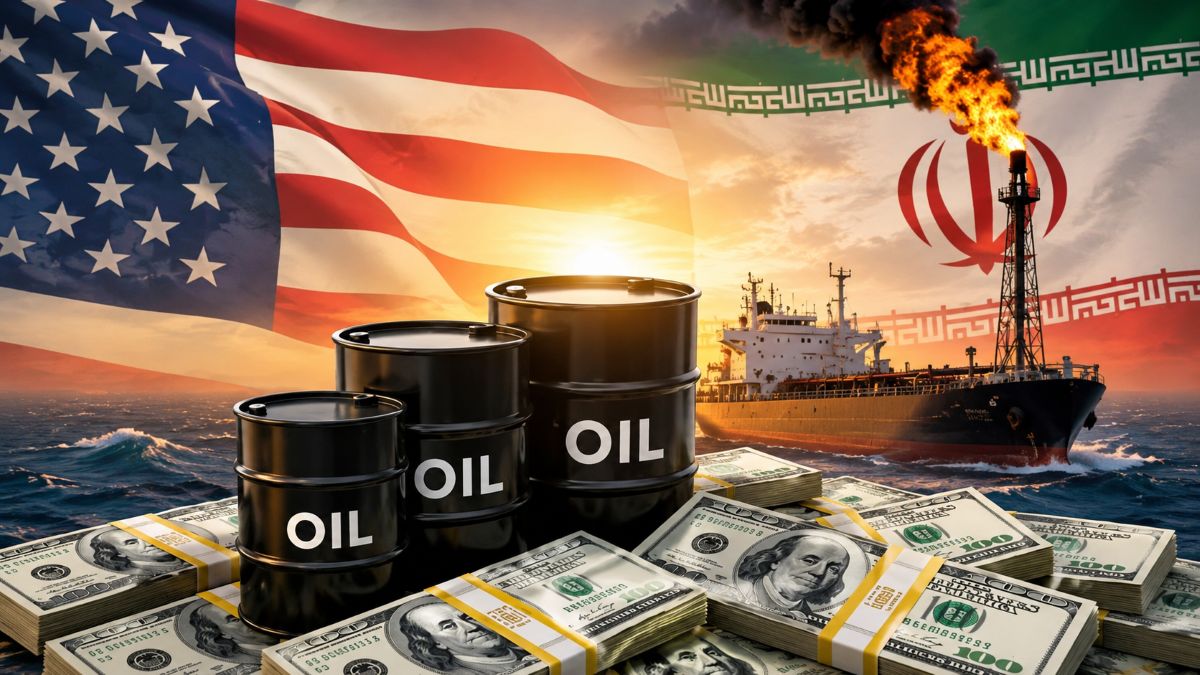

The export decline has forced Iran to curb production as storage capacity fills. The supplied analysis cited Kpler estimates showing crude output at about 1.755 million bpd in August.
Iran oil shutdowns have become increasingly common as the country grapples with reduced exports and limited storage. That was down from roughly 3.24 million bpd in March.
However, shutting wells does not automatically cause permanent damage. Robin Mills of Columbia University’s Centre on Global Energy Policy.
Most Iranian production should eventually recover. He pointed to earlier rebounds after sanctions and the Covid-19 downturn.
Still, prolonged shutdowns can create extra costs. Iran operates many mature fields with low-pressure wells. These wells may require pumping, chemical treatment or other servicing before restarting.
The Society of Petroleum Engineers has identified several risks from extended shut-ins. These include corrosion, deposits, plugging and equipment deterioration. Some wells may also need workovers or restimulation before returning to service.
Read: Iran-US Talks Hinge on Ceasefire, Funds and Blockade
Gas supply creates another constraint. Many Iranian fields depend on gas injection to maintain reservoir pressure. Kpler estimates show historical injection near 4.8 billion cubic feet per day.
Extended reductions in injection can lower reservoir pressure. They could also reduce the amount of oil ultimately recovered.
Read: US-Iran War Cost Hits $38 Billion, CBO Warns of Strain
Iranian Oil Minister Mohsen Paknejad said crude exports continued without interruption during the initial 40-day war. However, more recent shipping data show fresh outbound loadings fell sharply after the blockade tightened in July.
The scale of any lasting damage remains uncertain. Iran has not published detailed figures on current shut-ins, restart requirements or reservoir-maintenance spending.