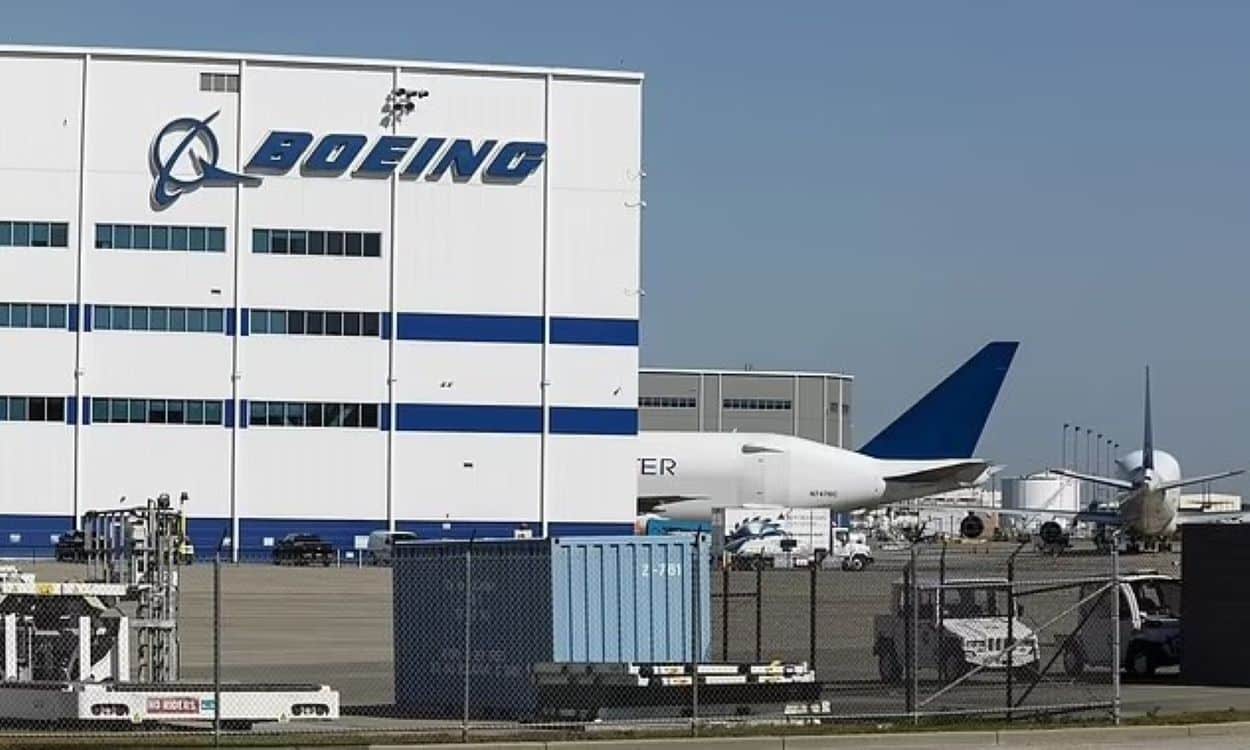

Boeing’s latest factory hiring surge is gathering pace as the U.S. planemaker adds around 100 to 140 workers a week in the Pacific Northwest, its fastest pace since 2024. The push reflects Boeing’s effort to replace retirees, raise production rates, and prepare for new and expanding programs across commercial aviation and space.
According to the source text, Boeing’s unionised factory workforce in the Pacific Northwest now exceeds 34,000 and continues to grow. A company spokesperson said Boeing is seeing strong interest as it hires in Puget Sound and across the broader enterprise to support higher production.
That momentum comes as the company prepares staffing for a fourth Seattle-area 737 MAX production line, known as the North Line. Boeing also needs workers to support the 777X program, which is still waiting for certification, along with other operational needs tied to logistics, storage, tooling, and transportation.
Boeing Factory Hiring Surge Reflects Broader Expansion
The hiring drive points to a broader recovery across the aerospace manufacturing industry. In Washington state, aerospace manufacturing jobs fell to around 79,000 last August but had climbed back to 81,800 by February.
Demand from airlines for more fuel-efficient jets, along with rising defence spending and a stronger space market, is helping to fuel that rebound. Aerospace companies are now hiring to meet pressure from commercial demand and global geopolitical tensions.
Boeing also said it is working to expand satellite production capacity and launch a new satellite platform. It is targeting 26 satellite deliveries in 2026, up sharply from four in 2025.
Even with hiring rising, the industry continues to face a shortage of skilled workers. Aerospace employers have struggled to fill roles since operations accelerated again after the COVID-19 pandemic.
Crystal Maguire, executive director of the Aviation Technician Education Council, said only about 75% of FAA-licensed mechanics come from specialised schools. That gap is driving increased reliance on apprenticeship programs and on workers moving into aerospace from other industries.
Boeing is also expanding its apprenticeship program, including training in specialised skills such as composite repairs. The number of apprentices is growing beyond the 125 agreed under a 2024 labour contract.
The current hiring pace remains below Boeing’s more aggressive recruitment push in 2023 and 2024, when the company was rebuilding after the pandemic and earlier disruption caused by the 737 MAX grounding.
Still, the tone from labour representatives suggests this round of recruitment may prove more stable. More sustained ramp, one tied to continuing airline demand and broader economic conditions rather than a short-term staffing scramble.