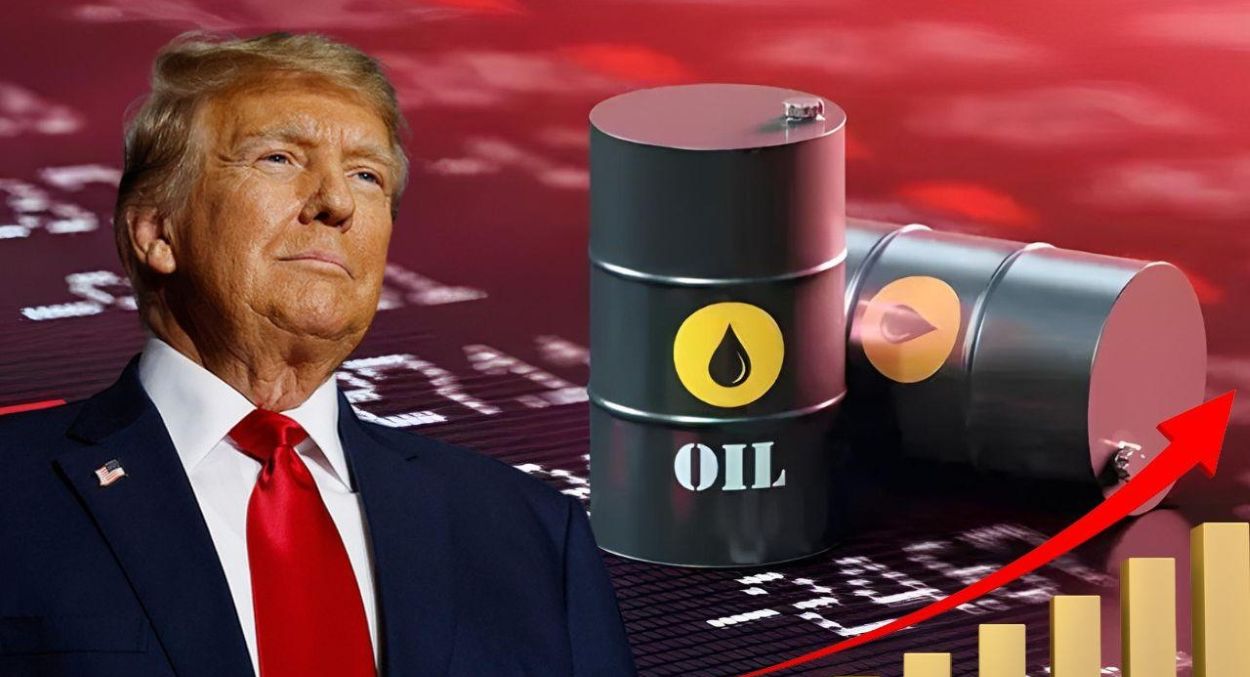

Trump’s pressure on gas prices is becoming a major political and economic problem, after a Reuters/Ipsos poll found that 77% of registered US voters blame President Donald Trump at least “a fair amount” for the recent gasoline-price surge. The poll, conducted April 15-20, shows fuel costs weighing on Republicans before the November 3 congressional midterm elections.
Reuters/Ipsos surveyed 4,557 US adults nationwide, including 3,577 registered voters. The poll found 77% of registered voters blamed Trump for higher gasoline prices, 58% were less likely to support candidates backing his Iran approach, and the margin of error was 2 percentage points.
The Reuters/Ipsos survey found that blame over fuel prices crossed party lines. 55% of Republican voters, 82% of independents, and 95% of Democrats said Trump bears at least some responsibility for higher gas prices.
That breakdown carries the greatest political significance in the poll. Democratic criticism was predictable, but the majority blame among Republicans and the overwhelming concern among independents pose a more serious challenge for GOP candidates in competitive districts.
The survey also found that 58% of voters would be less likely to support candidates in the November 3 midterms who back Trump’s approach to the conflict with Iran. That includes one in five Republicans and two-thirds of independents, according to the Reuters/Ipsos findings.
US gasoline prices have risen to about $4 a gallon, roughly $1 higher than before the war involving the United States, Israel and Iran began. It links the increase to disruption in oil markets after attacks damaged export facilities and affected a large share of global oil trade.
Read: Oil Prices Jump as Iran Keeps Strait of Hormuz Closed
For households, gasoline is one of the most visible prices in the economy. Drivers see it several times a week, and higher fuel costs can affect commuting budgets, delivery expenses and business operating costs.
The reported fact is that voters are worried: 77% of Americans in the poll called fuel prices a very big concern, while 82% said inflation was a big concern. The same survey found that respondents were more than twice as likely to expect fuel prices to rise over the next year as to fall.
The finding runs counter to Trump’s economic message. Trump won the 2024 election after pledging to address inflation, but 70% of respondents disagreed with the statement that the economy was booming.