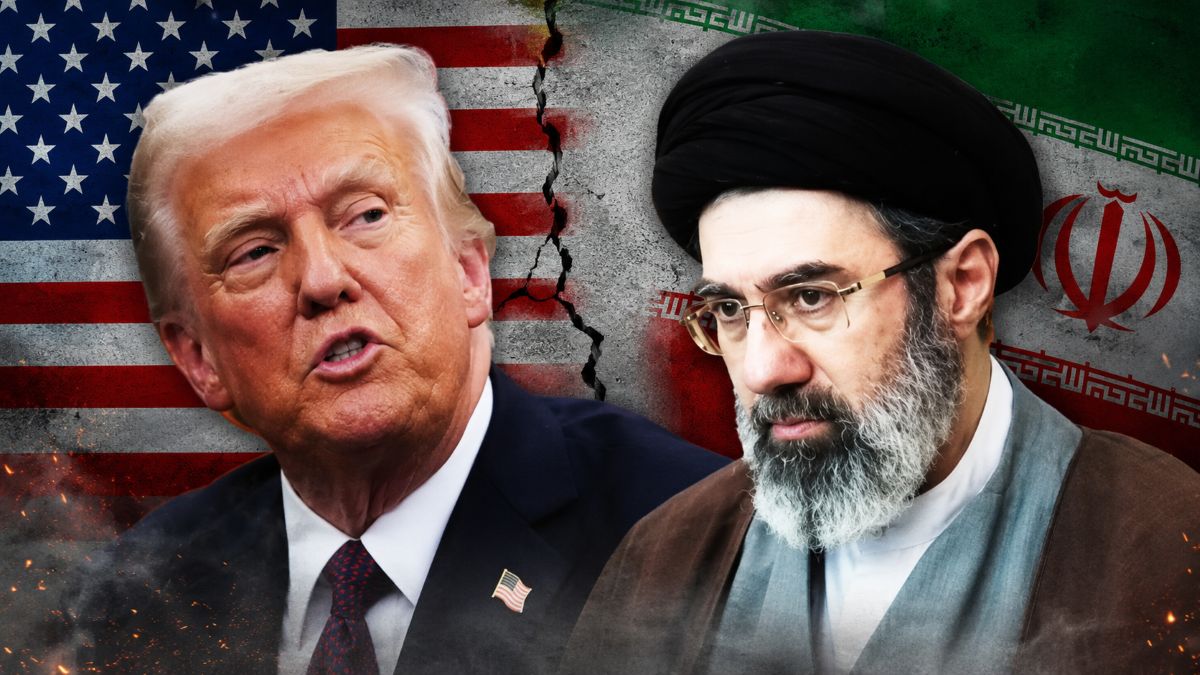

DUBAI, United Arab Emirates: The US-Iran Hormuz truce has collapsed after attacks on commercial ships, military targets and Gulf infrastructure pushed both countries closer to renewed full-scale war.
The escalation began on June 25 when an Iranian drone struck a cargo ship near Oman, one week after the agreement took effect. The attack caused no casualties or major damage but triggered US strikes the following day.
Pakistan mediated the agreement, known as the Islamabad Memorandum of Understanding, while Qatar supported the diplomatic process.
The 60-day accord called for a wider ceasefire and the reopening of the Strait of Hormuz, according to Reuters.
The latest dispute centres on an alternative shipping route monitored by the US military. Tehran said the route violated Iran’s right to manage traffic through the strait and potentially collect service fees.
Washington rejected that position. It said all vessels must have toll-free access to the international waterway. The US military struck Iranian missile sites, drone facilities and coastal radars after the June 25 incident.
Iran then attacked another tanker before widening its retaliation to Kuwait and Bahrain, which host American forces.
Delegations from both countries later travelled to Qatar but did not meet directly. Fighting resumed after Iran attacked three more ships following the July 4 start of funeral ceremonies for Supreme Leader Ayatollah Ali Khamenei.
US forces responded with attacks on Iranian air-defence systems, coastal radars, missiles, drones and naval capabilities. Washington also withdrew an oil-sales waiver included in the interim agreement.
Iran called the strikes and said it would resume violations of the deal. Its military described control of the Strait of Hormuz as an “unbreakable red line.”
Read: US-Iran Strikes Escalate as Gulf Shipping Comes Under Fire
US Central Command reinstated its blockade of Iranian ports at 4 pm ET on July 14, which is equivalent to 1 am PKT on July 15. The blockade covers vessels entering or leaving Iranian ports, according to CENTCOM.
US attacks subsequently expanded to bridges, power infrastructure and port facilities. Iranian authorities said the strikes had killed at least 50 people and wounded more than 500, although independent monitors could not verify the figures.
Iran retaliated against infrastructure in Kuwait, including desalination and oil facilities. Kuwaiti authorities reported fires, power disruptions and several injuries, the Associated Press reported.
Before the war, the Strait of Hormuz carried about one-fifth of the world’s traded oil and natural gas. Vessel crossings fell to eight on July 16, their lowest level in three weeks, AP reported, citing Marine Traffic.