

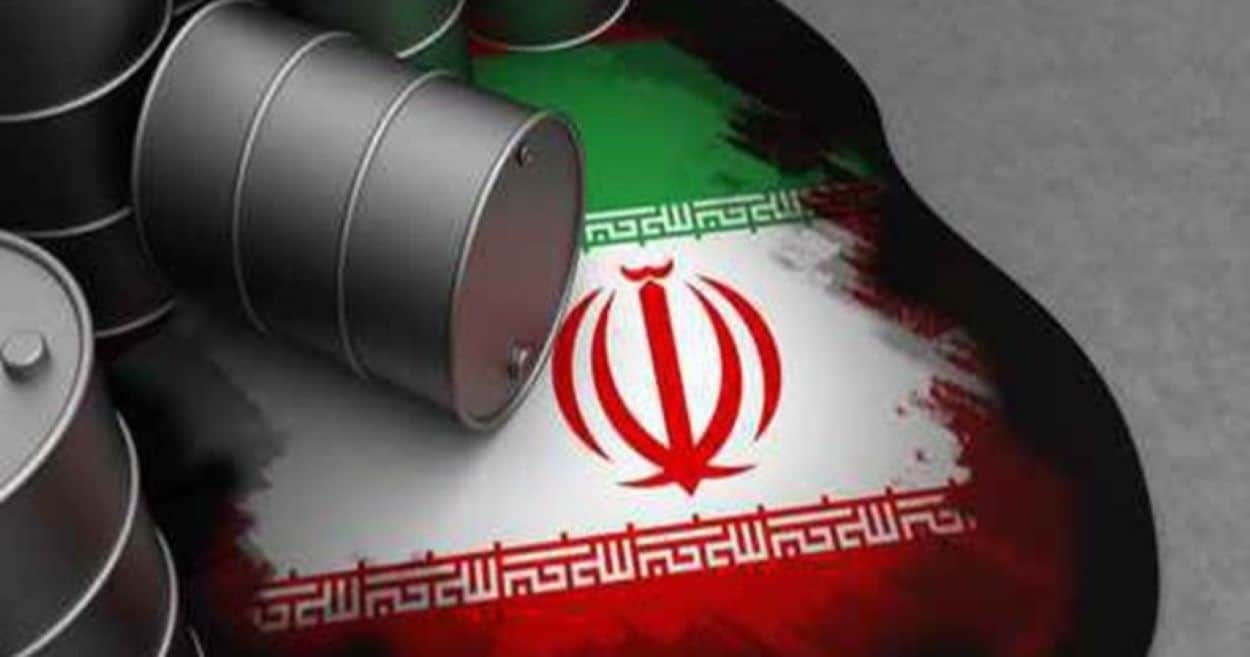

Iran’s plutonium stockpiles at Bushehr and reconstruction of the Arak heavy water reactor pose a nuclear proliferation risk, U.S. State Department officials and non-proliferation experts warned on May 10, 2026.
Iran is in breach of its obligations under the Nuclear Non-Proliferation Treaty, failing to fully cooperate with the IAEA, the spokesperson said. Experts urge that any new U.S. deal include a permanent ban on plutonium reprocessing and near-real-time monitoring of spent fuel.
Henry Sokolski of the Nonproliferation Policy Education Center said Bushehr’s spent fuel contains enough plutonium for over 200 bombs if diverted. Jason Brodsky highlighted repeated Israeli strikes on Arak in 2025–2026, noting Tehran’s efforts to rebuild the facility.
David Albright, a former weapons inspector, cautioned that while reactor-grade plutonium is harder to weaponize, diversion would trigger diplomatic and operational consequences, including potential Russian sanctions on fuel supplies.
Andrea Stricker of the Foundation for Defense of Democracies recommended monthly IAEA inspections and removal of spent fuel to mitigate risk.
U.S.-Iran negotiations in Islamabad are reportedly considering a temporary agreement to reduce tensions, but uranium stockpiles, enrichment activity, and plutonium safeguards remain unresolved.



