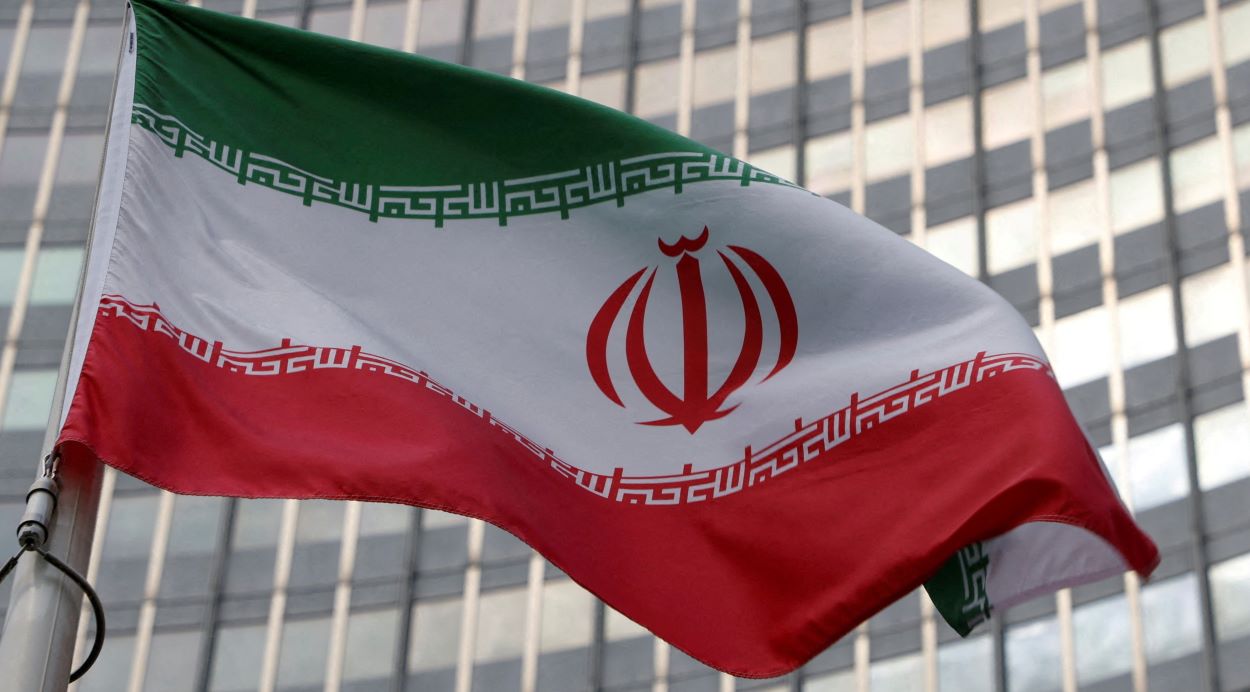

Iran has accused the United States of acting illegally by denying Hamid Aboutalebi, its newly appointed envoy to the United Nations in New York, a visa.
The US decision has sparked strong reactions from Tehran, with Iran’s UN mission spokesperson, Hamid Babaei, labelling the move “regrettable.” Babaei refrained from outlining any specific countermeasures Tehran might take in response to the refusal.
The controversy stems from the US government’s accusation that Mr Aboutalebi has ties to the militant group that stormed the US embassy in Tehran in 1979, taking 52 American diplomats hostage for 444 days. This incident is significant in the long history of strained relations between the two countries. As a result, the US claims that Aboutalebi’s involvement with the group renders him ineligible to serve as Iran’s representative at the UN.
In his defence, Hamid Aboutalebi has denied these allegations, stating that his role during the embassy seizure was limited to that of a translator for the militants rather than an active participant in the attack itself. Despite his claims, the US has remained firm in its refusal to grant him a visa, citing national security concerns.
The United Nations has yet to issue any official statement regarding the visa dispute or Aboutalebi’s appointment, leaving the matter unresolved internationally.
The diplomatic tension over the visa refusal highlights ongoing animosities between Iran and the US. Both countries have yet to fully recover from the fallout of the 1979 crisis and subsequent decades of diplomatic isolation. The situation continues to evolve as both countries navigate the complexities of international relations and their historical grievances.