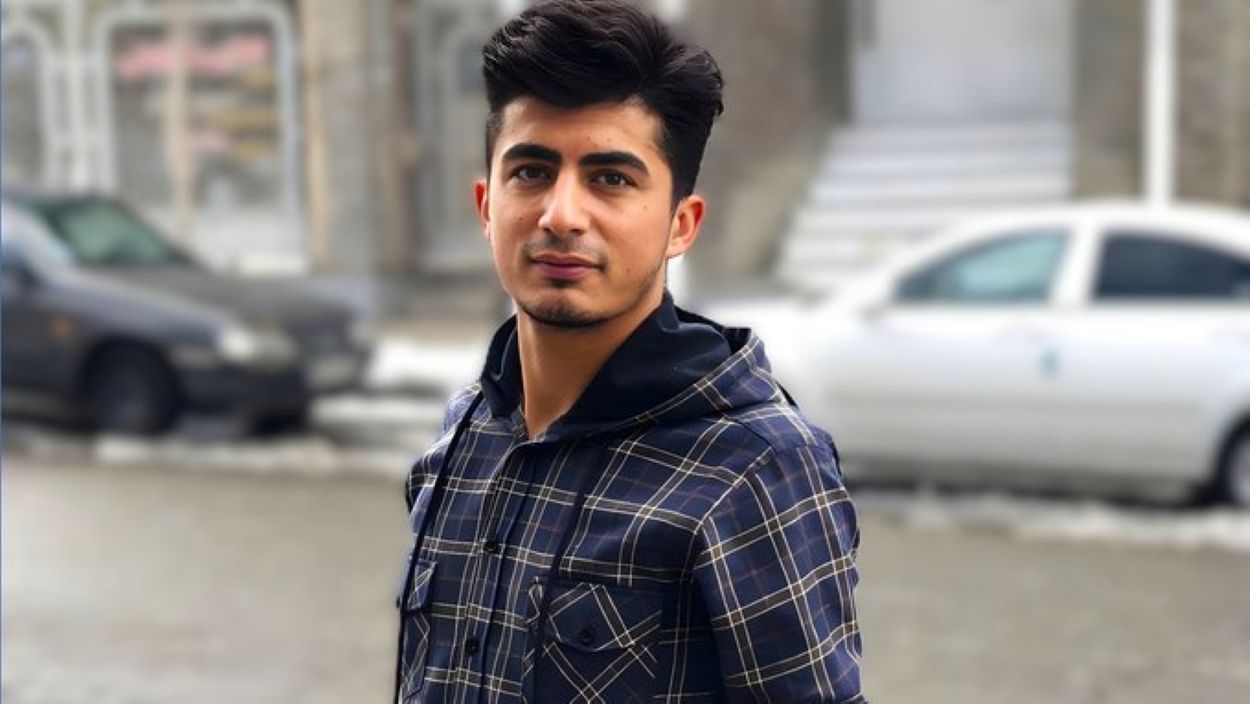

Iranian authorities executed Kurdish protester Mehrab Abdollahzadeh at dawn on Sunday at Urmia Central Prison. This followed a controversial conviction based on coerced confessions.
Abdollahzadeh, 28, a barber, was arrested during the “Woman, Life, Freedom” protests in October 2022. He was accused of involvement in the killing of Basij member Abbas Fatemiyeh. The Norway-based group Iran Human Rights (IHR) reported that the conviction relied solely on forced confessions. These confessions were extracted under 42 days of solitary confinement and torture.
Despite maintaining his innocence, Abdollahzadeh was sentenced to death for “corruption on earth.” His legal team argued that video evidence and witness testimony failed to link him to the crime. Furthermore, they argued that requests to review mobile location data were ignored.
The execution follows a broader surge in political prisoner executions. IHR confirmed that at least 21 political prisoners, including 11 protesters, have been executed since March 18, 2026. Additionally, two others were executed for espionage for Israel in the same prison.
Read: Iran Executions Carried Out Over Israel Spying Claims
IHR director Mahmood Amiry-Moghaddam called for an immediate halt to all executions, saying it must be a central condition for any negotiations with Iran. Rights groups also highlighted serious trial irregularities, including the lack of legal counsel during initial detention.
Iran’s judiciary has faced growing international condemnation for its use of the death penalty, especially against political prisoners. Human rights groups fear that executions will continue in the coming months, underscoring the urgency of global intervention.