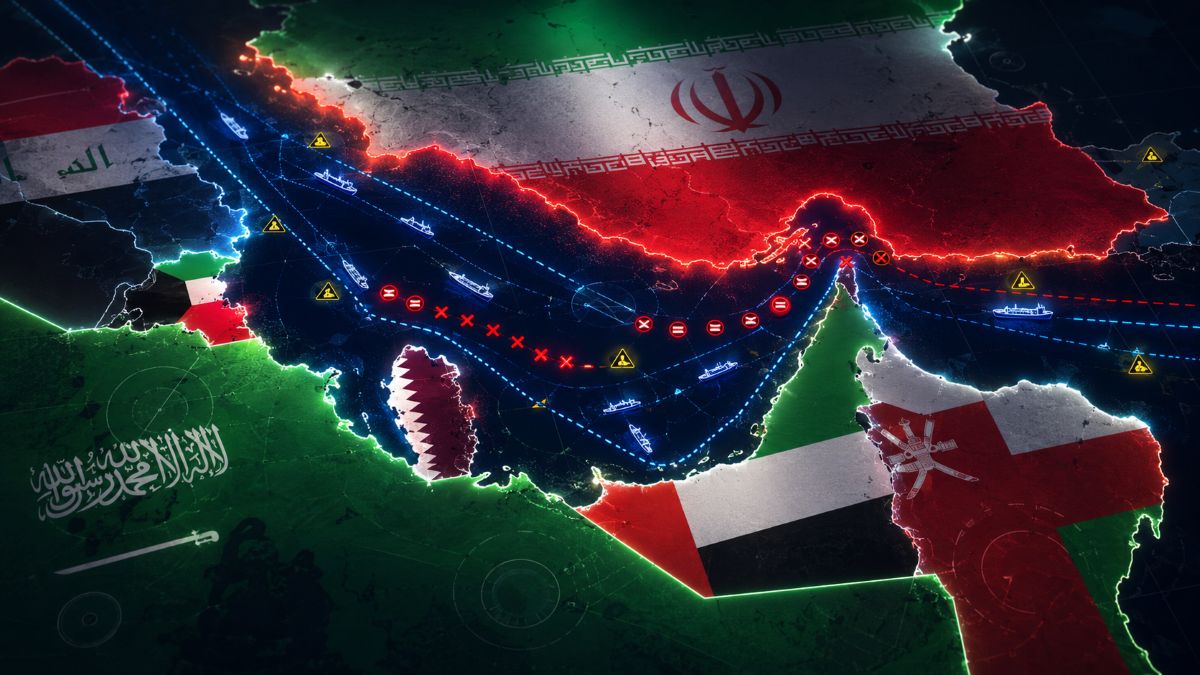

LONDON: Hormuz transit fees for vessels passing through the Strait of Hormuz are increasingly viewed by several European countries as unavoidable, Bloomberg reported, citing people familiar with the matter.
The assessment followed the recent conflict involving the United States, Israel and Iran. Some Gulf Arab officials privately share the view, although it does not necessarily reflect official government positions.
The sources said it remained unclear what form the charges would take or how much countries would be willing to pay.
The United States and Gulf Arab states maintain that Iran and Oman lack legal authority to detain ships transiting the Strait of Hormuz. They have raised concerns over international maritime law and any precedent for other strategic waterways.
European governments have urged officials in Tehran and Muscat to ensure that any future system applies equally to vessels regardless of nationality, the sources said.
The United Kingdom, France and other European countries are also pushing for an international maritime coalition to support mine-clearing operations in the strait.
Read: Houthi Red Sea Attack Threat Raises Fresh Shipping Fears
The deployment would likely depend on progress toward a lasting peace agreement.
One source said Oman was studying the Strait of Malacca model, in which Indonesia, Malaysia and Singapore coordinate maritime management, and ships may pay for navigation and security services.
Commercial shipping through the Strait of Hormuz has increased since Iran and the United States reached an interim peace agreement about two weeks ago.
The U.S. naval protection helped raise Gulf oil exports to more than 10 million barrels per day, just over half of pre-war levels.