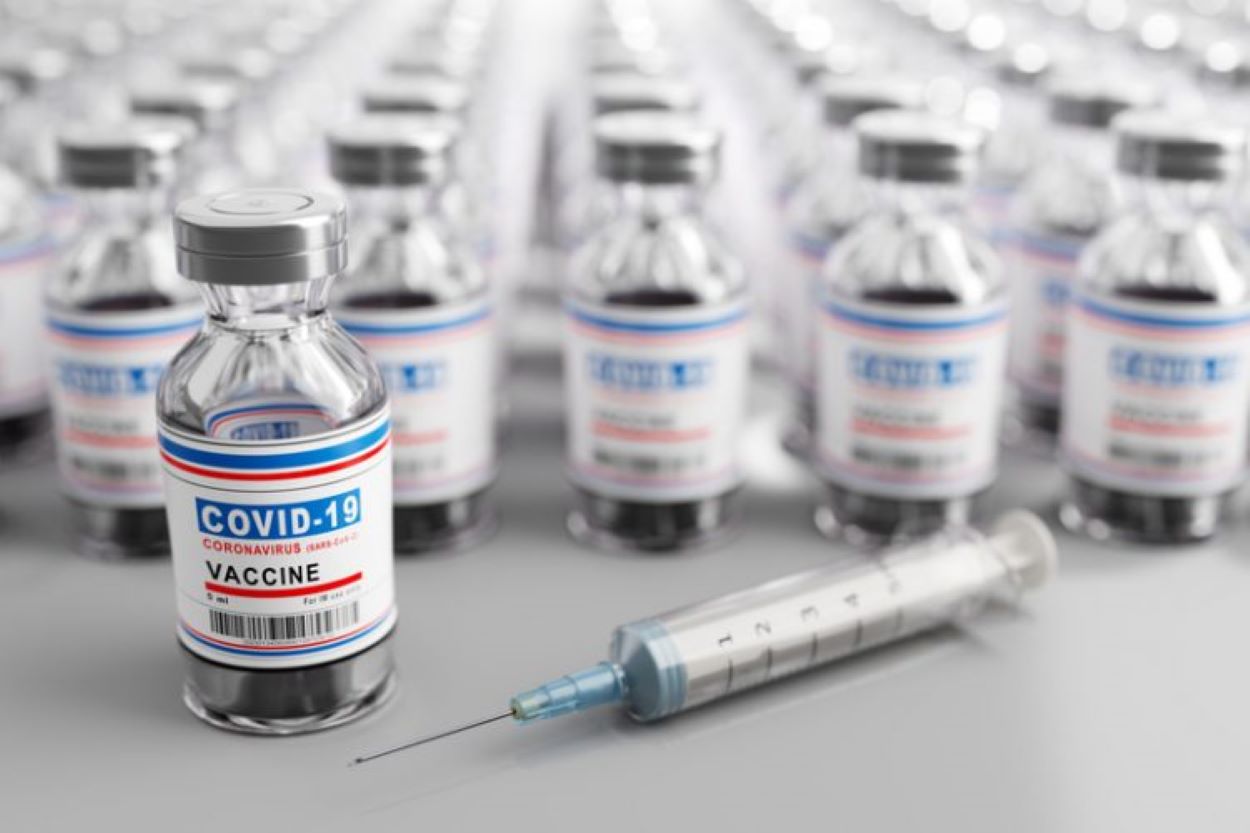

Covid booster protection may extend to some animal coronaviruses with future pandemic potential, University of Cambridge researchers said in findings published in npj Vaccines and iScience.
A team at the Cambridge Institute for Therapeutic Immunology & Infectious Disease studied blood samples from older people who had received four COVID-19 vaccine doses, including a bivalent booster.
The npj Vaccines paper found antibodies had limited power against newer Omicron variants but neutralised some sarbecoviruses found in bats and pangolins.
DR. MCCULLOUGH: “The current [COVID] boosters … are far safer than the very first vaccines rolled out December 2020 … And it's my observation that there are people that have taken every single booster and apparently are unharmed. That actually may be President Trump.” pic.twitter.com/0zg5v3nFuf
— Chief Nerd (@TheChiefNerd) July 2, 2026Dr Grace West, a joint first author at CITIID, said the result could offer a first line of defence after an animal-to-human coronavirus spillover. She said that early protection could buy time to develop targeted therapies.
A separate iScience study by CITIID researchers and colleagues in Nigeria examined how the order of viral exposure shapes long-term immune response.
The study found that the immune system does not restart from scratch when it encounters a new variant or an updated vaccine. Researchers said a person’s first infection can imprint the immune system, biasing later responses toward the original virus.
Read: Scientists Warn Mutated Bird Flu Could Trigger Pandemic Worse Than COVID-19
Immune imprinting may help explain why boosters showed activity against some bat and pangolin sarbecoviruses. Researchers said those viruses had spike-protein structures closer to those of early SARS-CoV-2 than to those of newer human Omicron variants.
The findings support calls for pan-coronavirus vaccines that target shared, less-mutated regions across related viruses.