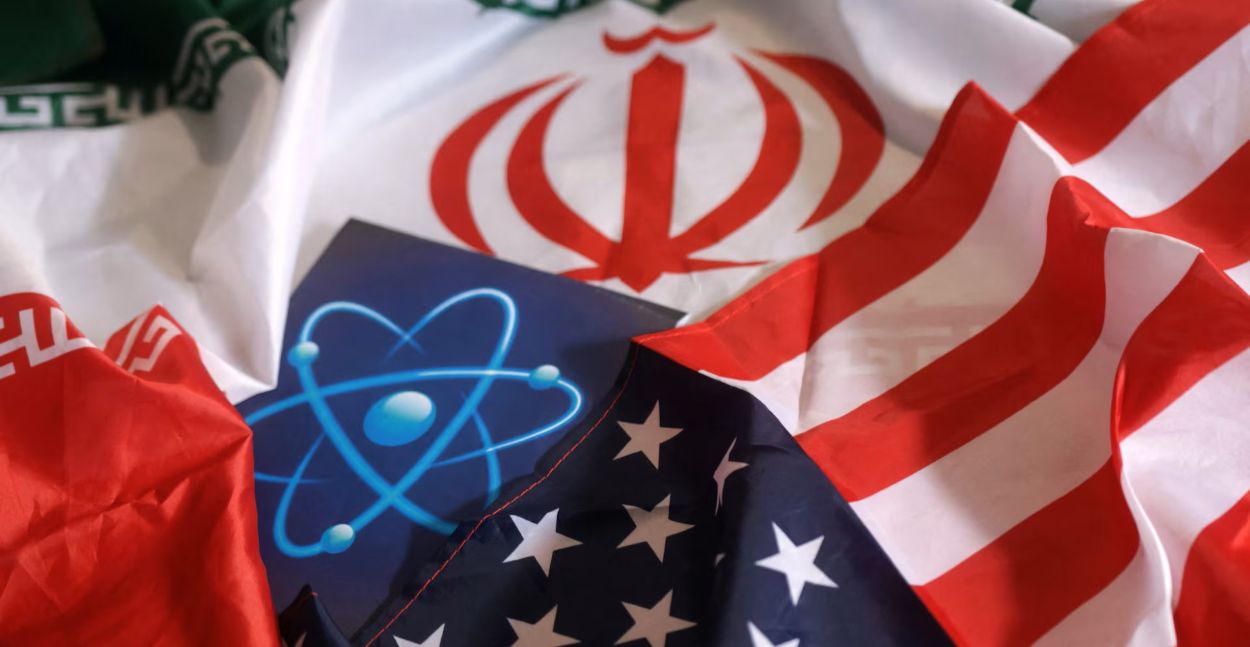

The latest updates on US-Iran nuclear talks show that both sides remain far apart after weekend negotiations in Islamabad, despite signs of progress in some areas. The talks, led by US Vice President JD Vance, failed to produce a final agreement to end the ongoing war. The main dispute centred on how long Iran should suspend uranium enrichment, alongside wider disagreements over stockpile removal, shipping access and verification.
The United States proposed that Iran suspend all uranium enrichment for 20 years in exchange for sanctions relief. This marked a softer US position than earlier demands for a permanent end to domestic enrichment. However, Iran countered with an offer to suspend enrichment for up to five years, leaving a major gap between the two sides.
That difference between a 20-year pause and a five-year pause emerged as one of the biggest obstacles to a broader agreement. Beyond the enrichment dispute, several other issues continue to block a deal. Negotiators are also divided over the removal of Iran’s stockpile of 60% enriched uranium, the reopening of the Strait of Hormuz for international shipping, and the verification mechanisms needed to ensure Iran does not develop nuclear weapons.
These issues matter because they combine security concerns with economic pressure. Any unresolved disagreement over shipping access or nuclear oversight could place the fragile ceasefire under even greater strain.
Vance signals progress, but pressure remains
President Donald Trump has repeatedly said Iran must never obtain a nuclear weapon, while JD Vance said “significant progress” had been made during the talks. Still, Vance also stressed that “the ball is in Iran’s court,” signalling that Washington expects Tehran to make the next move.
Iran, meanwhile, continues to insist on its right to enrich uranium for civilian purposes under the Nuclear Non-Proliferation Treaty and has rejected long-term restrictions. That position suggests the core disagreement is not only technical, but also political and strategic.
Read: UN Iran Nuclear Sanctions Clash Erupts As US, Russia, China Spar
Russia has offered to store Iran’s enriched uranium as part of any possible deal, adding another layer to the negotiations. At the same time, the fragile 14-day ceasefire remains in place but is under pressure, especially after the US blockade of Iranian ports became active. For now, the talks appear to have produced movement without a breakthrough. While some progress has been reported, both sides remain divided on the central nuclear issue and on the wider conditions needed for a durable agreement.