

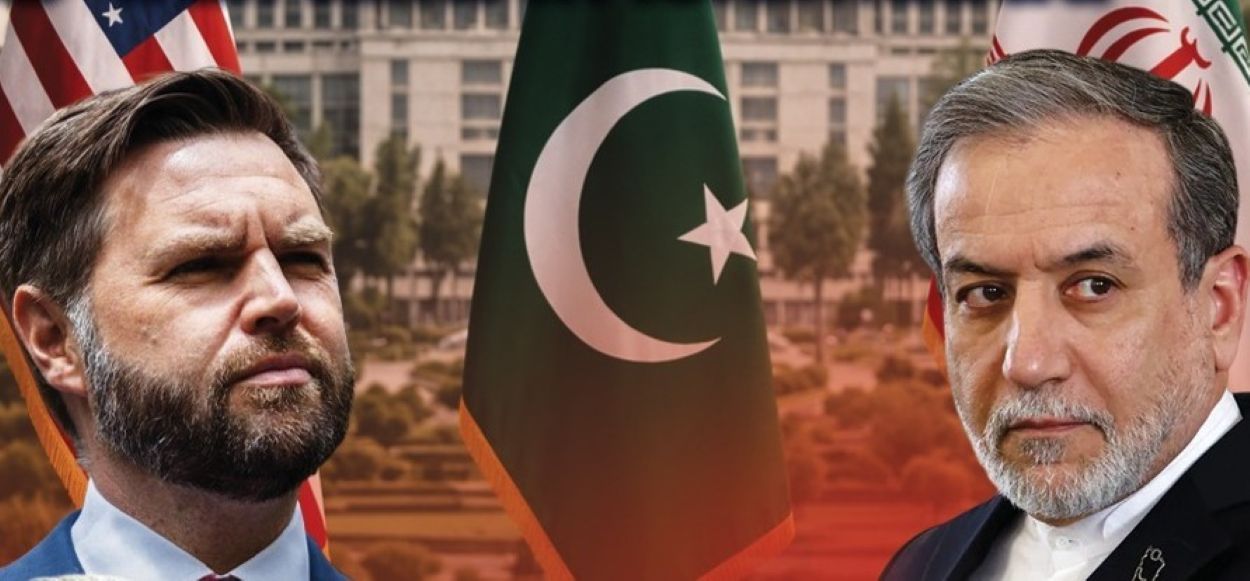

The United States and Iran are now discussing a second round of talks as both sides consider returning to the table after their first high-level meeting in Islamabad ended without a deal. As of April 14, officials had not confirmed a date, venue or format, although mediators and both governments appear determined to keep diplomacy alive before the ceasefire expires on April 21.
The first round failed to produce an agreement, but it did not end the diplomatic track. AP reported that Pakistan had proposed another round of talks, possibly as early as Thursday, while other reports said officials had discussed Islamabad and Geneva as potential venues.
The nuclear issue remains the biggest obstacle. Recent reporting says Washington wants Iran to suspend uranium enrichment for 20 years, while Tehran has countered with a far shorter pause of about three to five years.
Other major sticking points include the fate of Iran’s highly enriched uranium stockpile and the verification measures needed to ensure Tehran cannot move toward a nuclear weapon. Those issues remain central to any breakthrough and explain why both sides still stand far apart despite signs of progress in some areas.
US Vice President JD Vance, who led the American delegation in Islamabad, said both sides had made significant progress but insisted that “the ball is in Iran’s court.” Reports on April 14 also said he linked any future deal to strict nuclear guarantees and the full reopening of the Strait of Hormuz.
Iranian officials, meanwhile, have accused Washington of pursuing maximalist demands and shifting its position. That suggests any next phase will depend on whether both sides can narrow the gap on enrichment and monitoring without destroying the ceasefire.
The diplomatic push is unfolding alongside a sharp escalation in military and economic measures. On April 14, the United States began enforcing a blockade on Iranian ports, a move widely described as a major pressure tactic after the Islamabad talks stalled. Even so, multiple reports said both sides remain open to further diplomacy.
Read: US-Iran Nuclear Talks Latest: Key Gaps Remain After Islamabad
The coming days matter because any second round would most likely need to take place before the current two-week ceasefire expires on April 21.
Financial markets reacted as though investors still saw a narrow path to de-escalation. Coverage on April 14 said oil prices eased slightly and stocks rose on signs that new talks were under consideration. That response underscored the broader reality: diplomacy has not produced a deal, but it has not collapsed either.



