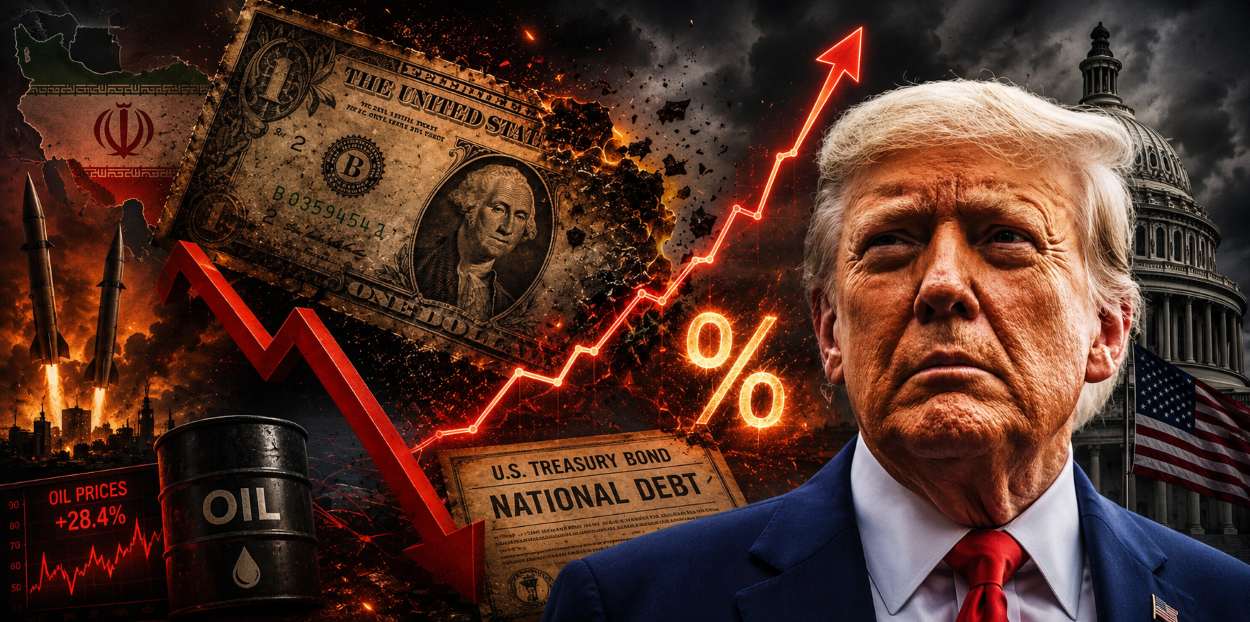

Oil prices rose on Wednesday after Iran declined direct talks with U.S. envoys in Doha, adding strain to the interim ceasefire in the four-month war.
Brent futures rose USD 0.50, or 0.69%, to USD 73.45 a barrel at 1208 GMT. U.S. West Texas Intermediate crude climbed USD 0.63, or 0.91%, to USD 70.13 a barrel.
U.S. President Donald Trump’s son-in-law Jared Kushner and envoy Steve Witkoff arrived in Doha for talks described by the White House as high-level.
Iran and Qatar said the U.S. officials would meet mediators rather than Iranian representatives. Qatar said Prime Minister Sheikh Mohammed bin Abdulrahman al-Thani was among the officials who met with Witkoff and Kushner.
Brent fell by around USD 45 a barrel between the first and second quarters, its largest quarterly loss since 2008. U.S. crude futures fell by around USD 31 over the same period, their largest quarterly loss since 2020.
Read: Oil Prices Rise as Brent Hits $72.57 on Hormuz Risk
A Reuters poll showed analysts cut 2026 oil price forecasts for the first time since the Iran war began. The cuts followed the reopening of the Strait of Hormuz, which eased concern over prolonged supply disruptions.
U.S. Vice President JD Vance said Iran would not be allowed to collect tolls from ships passing through the Strait of Hormuz.
Market sources said U.S. crude inventories fell by 6.1 million barrels in the week ended June 26, citing American Petroleum Institute data. Markets awaited official U.S. oil stock data from the Energy Information Administration at 10:30 a.m. EDT on Wednesday.