


Pakistan and Qatar are pursuing an agreement through US–Iran talks, with mediation sources predicting progress this week, while analysts question the prospects for a broader settlement.
Sources familiar with the mediation told The New Arab on Monday that a breakthrough could emerge within days. Iranian Foreign Minister Abbas Araghchi said on Sunday that Tehran’s seven-day proposal remained on the table.
Under that proposal, Iran would reopen the Strait of Hormuz within a week if Washington accepted its conditions. Washington wants substantial limits on Iran’s uranium enrichment capabilities.
Tehran prioritises relief from the US blockade and sanctions, alongside restored maritime traffic. However, analysts interviewed by Iran International questioned whether either side would make the concessions needed for a comprehensive agreement.
Alex Vatanka, director of the Iran Program at the Middle East Institute, saw greater scope for a temporary arrangement. He argued that both governments had immediate reasons to reduce tensions.
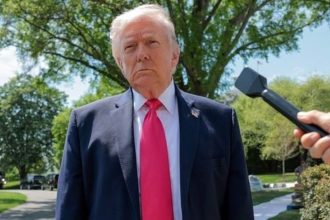
In his assessment, US President Donald Trump could benefit politically from a diplomatic achievement before the November 3 midterm elections. Iran, meanwhile, needs economic relief.
Read: Iran Issues Retaliation Warning After Trump’s Threat
Danny Citrinowicz, an Iran specialist and former head of Israel’s Defence Intelligence branch, cautioned against treating continued exchanges as evidence of an imminent breakthrough.
He questioned Tehran’s willingness to compromise. Alongside diplomacy, Trump and Israel’s Prime Minister, Benjamin Netanyahu, have warned of renewed military action.
Read: Trump Issues Iran Warning, Backs Netanyahu Re-Election
On Sunday, Trump threatened further action unless Tehran changed course. Netanyahu has indicated that Israel could act independently of Washington.
Separately, Russian Foreign Minister Sergei Lavrov visited Tehran on Monday. Vatanka suggested Moscow could help secure Iranian concessions, but might seek US concessions over Ukraine in return.
Citrinowicz identified the period after the US elections as a possible window for military action if diplomacy failed. His assessment was a forecast, rather than an announced operational timetable.