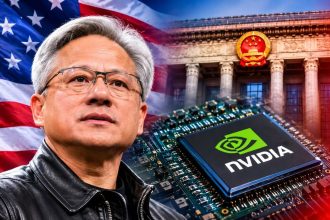



WASHINGTON — The US Commerce Department added Singapore-based Megaspeed International, Alibaba subsidiary Apex Enterprise Solutions and five other entities to its Entity List on Monday, citing the risk that they could divert advanced chips.
The department’s Bureau of Industry and Security (BIS) now requires a licence to export, re-export or transfer any item covered by US Export Administration Regulations to the listed entities. BIS will review applications under a presumption of denial. The requirement covers advanced computing chips and other items subject to the regulations.
The rule also names Singapore-based Swiftdata, Megaspeed’s holding company. The Malaysian entries are MSFusion, PT Megaspeed International and Speedmatrix. Megaspeed (Thailand) is the sole Thai entry.
An Alibaba spokesperson told Agence France-Presse that the decision was “erroneous” and that Apex had never diverted advanced computing chips subject to US restrictions. Alibaba said it would pursue legal avenues to protect its rights and reputation.
Megaspeed bought billions of dollars’ worth of Nvidia chips. US authorities have scrutinised whether the company diverted advanced chips or computing power to China. The Commerce Department’s filing cited a risk of diversion to unauthorised users or uses.
Read More: Nvidia Reinstates Jensen Huang as CEO in Unanimous Vote
Nvidia reinstated Jensen Huang as chief executive on Monday. He had stepped down after reports about a relationship with former Megaspeed executive Alice Huang. The New York Times reported that US intelligence officials believed she had worked for Chinese intelligence. Beijing denied the allegation.
The listing follows a separate rule that took effect on November 19. It tightened controls on remote access to advanced chips in overseas data centres.
Congressional data showed that licence applications covering nearly 950,000 Nvidia chips for Alibaba were on record as of May. In an earnings call last week, Alibaba Chief Executive Eddie Wu said the company was shifting towards chips made in China. He said it was using chips from its T-Head unit to train its next-generation artificial intelligence models.