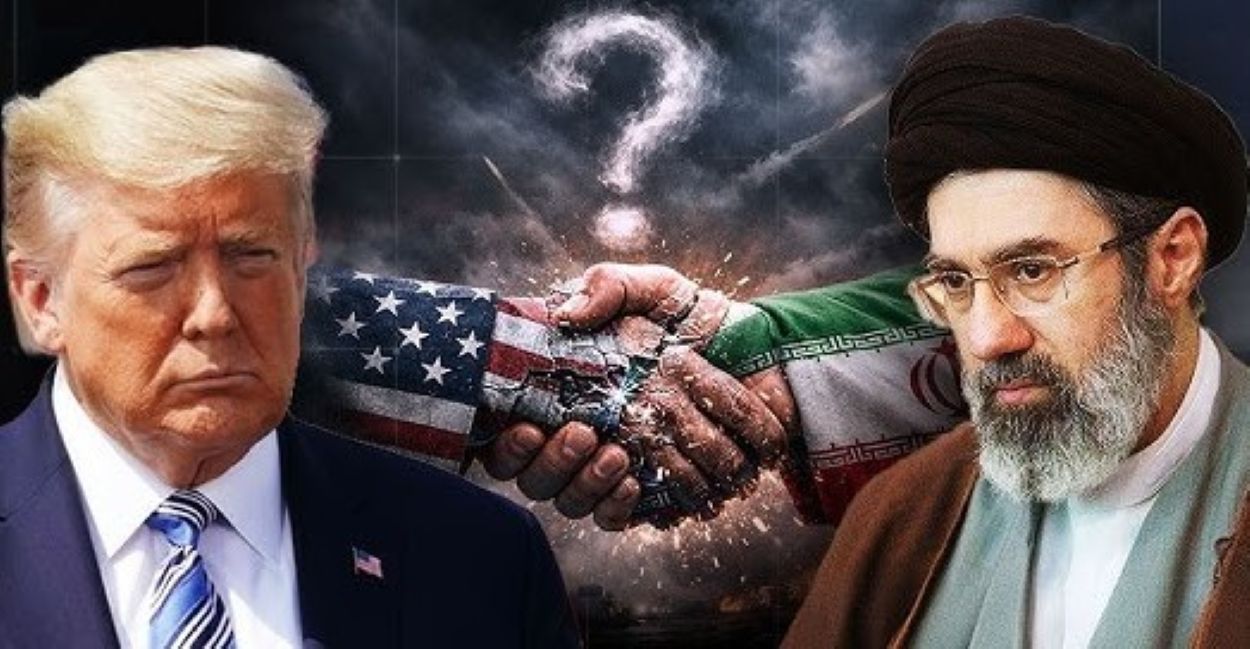

US-Iran ceasefire talks remain stalled as President Donald Trump rejected Tehran’s 14-point peace proposal and moved forward with “Project Freedom,” a mission to guide stranded ships through the Strait of Hormuz.
The US administration has invoked a controversial “paused clock” theory, claiming that the April 8 ceasefire temporarily halted the 60-day War Powers deadline, which officially expired on May 1. This allows Trump to continue military operations, including the naval mission, without formal Congressional approval.
“Project Freedom” involves 15,000 US personnel, guided-missile destroyers, and over 100 aircraft. The operation aims to guide merchant vessels safely through the blocked waterway. Trump warned that he is prepared to restart air strikes if Iran “misbehaves.”
Iran’s Revolutionary Guard Corps (IRGC) swiftly condemned the operation, calling it a violation of the ceasefire brokered in April and warning that Iranian forces are ready to respond. Iran’s Foreign Ministry criticised the “excessive demands” from Washington.
The economic toll of the blockade is significant, with the Pentagon estimating that Iran has lost around $4.8 billion in oil revenue since mid-April. Energy prices remain volatile, and analysts suggest that further escalations could send crude prices soaring.
Read: USS Gerald R. Ford Leaves Middle East After Iran Ops
Meanwhile, a legal debate continues in Washington over the War Powers Resolution. Trump’s administration has argued that the ceasefire “paused the clock,” bypassing the 60-day limit for military action without congressional approval.