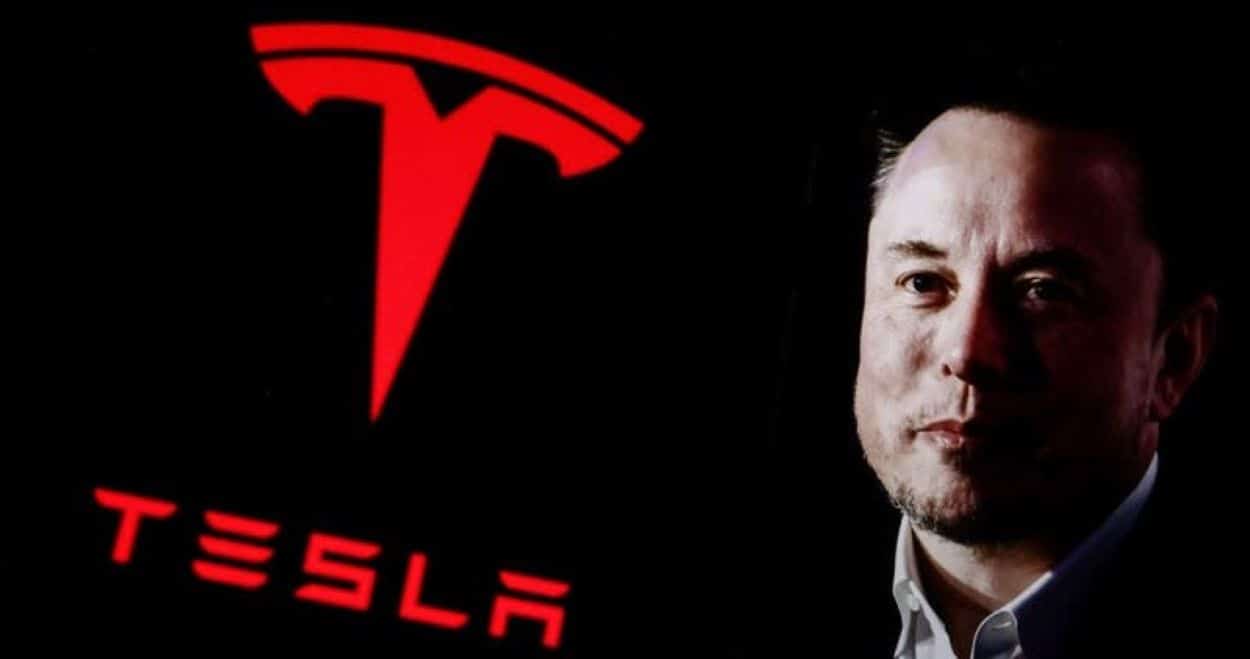

Tesla’s offshore tax loopholes are facing fresh scrutiny after a Reuters investigation alleged that the company used entities in the Netherlands and Singapore to shift profits and reduce its US federal tax burden.
Tesla reported a federal tax bill of zero dollars for 2025. Reuters said the outcome may have reflected not only loss carryforwards and green energy incentives, but also offshore profit-shifting tied to intellectual property rights.
Tesla units in the Netherlands and Singapore reported about $18 billion in profits between 2023 and early 2025. Those profits were reportedly not taxed in either country.
Reuters, as described by tax experts, believed the arrangement likely relied on a cost-sharing structure involving Tesla’s intellectual property, including patents or technical know-how. That setup would allow profits from US-developed technology to be booked in lower-tax jurisdictions rather than in the United States.
Experts who reviewed the reporting estimated that the arrangement may have saved Tesla at least $400 million in US taxes. That estimate was tied to the 21 per cent US corporate tax rate and the assumption that the shifted profits would otherwise have been taxed domestically.
At the same time makes clear that Reuters did not allege Tesla broke the law. The issue, instead, was framed as part of a broader debate over how multinational companies legally use tax rules to reduce their bills.
Musk’s Past Comments Add to the Debate
The report drew extra attention because it appeared to contrast with Elon Musk’s past rhetoric on tax avoidance. Musk told a Pennsylvania audience in October 2024 that he often rejected proposals involving tax loopholes because they sounded “shady.”
Reuters reported that neither Tesla nor Musk responded to requests for comment. That left the report’s findings standing in contrast to Musk’s public image as someone critical of aggressive tax strategies.
Tesla’s January 2026 filing may indicate a shift in the company’s tax structure. In that filing, Tesla reported that more than 90 percent of its global profits in 2025 were earned in the United States, far above the average share reported in earlier profitable years.
Read: Tesla Faces New Autopilot Lawsuit Over Alleged Design Defect
The pattern could suggest Tesla changed or wound down part of the offshore arrangement. Even so, the report argued that any earlier tax savings would still remain significant.
This case feeds into a wider debate over how global companies allocate profits when innovation happens in one country and earnings appear in another. It also raises questions about whether international tax rules are effective enough to curb profit shifting.
The controversy carries added political weight because it involves a high-profile company, an outspoken chief executive and a visible gap between reported US revenues and federal tax outcomes.