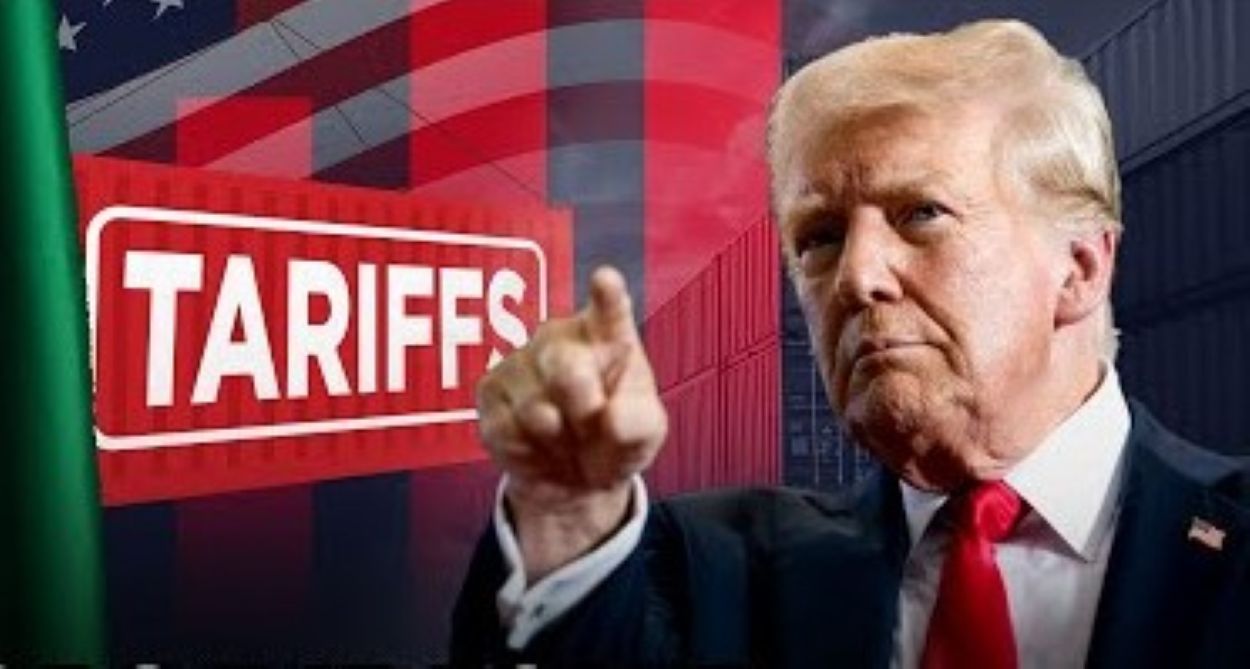

WASHINGTON: US President Donald Trump imposed a 15% polysilicon tariff and minimum import prices Thursday for products vital to semiconductor and solar supply chains will apply from 12:01am ET on December 4, according to the White House proclamation.
The order sets minimum prices at $21 per kilogram for polysilicon and $100 per kilogram for ingots and wafers. It also establishes floors of $0.22 per watt for solar cells and $0.38 per watt for solar modules.
However, the additional 15% duty applies to ingots and listed downstream derivatives, not every product in the minimum-price programme.
Importers must certify that their first arm’s-length US sale meets the applicable floor. Otherwise, Customs and Border Protection will charge the difference when the entered value falls below that price.
The proclamation invokes Section 232 of the Trade Expansion Act of 1962 on national-security grounds. According to the order, the Commerce Department found that imports threatened domestic polysilicon production.
Read: Google Wind Solar Data Center Minnesota Project Unveiled
The US share of global capacity fell from 50% in 2005 to below 2% in 2024, the department found. Meanwhile, America relies almost entirely on imported solar ingots, wafers and cells, according to Commerce.
Because solar demand supports production volumes, the order linked that industry to supplies of higher-purity semiconductor material.
Semiconductor-grade output represented only 2.4% of global polysilicon production, the department found. Therefore, Commerce may offer incentives for companies building or expanding US factories for covered products.
Reuters identified Hemlock Semiconductor Operations LLC in Michigan and Wacker Chemie AG (ETR: WCH) in Tennessee. It described them as the two US polysilicon producers.
Corning Incorporated (NYSE: GLW), Hemlock’s majority owner, said the action supported investment and long-term US competitiveness.
Meanwhile, Wacker said it was reviewing the measures but welcomed attention to supply-chain resilience. T1 Energy Inc. (NYSE: TE) and First Solar Inc. (Nasdaq: FSLR) also welcomed the protections, Reuters reported.
Read: China Rejects ‘Overcapacity’ Claims in Sweeping Rebuttal Against US, EU
However, trade attorney Tim Brightbill warned that delayed implementation could encourage an import surge before December.
Still, solar-panel buyers argued that the delay would help them adjust supply contracts to higher prices, Reuters reported. Readers can follow US-China trade developments and global solar industry news for related coverage.