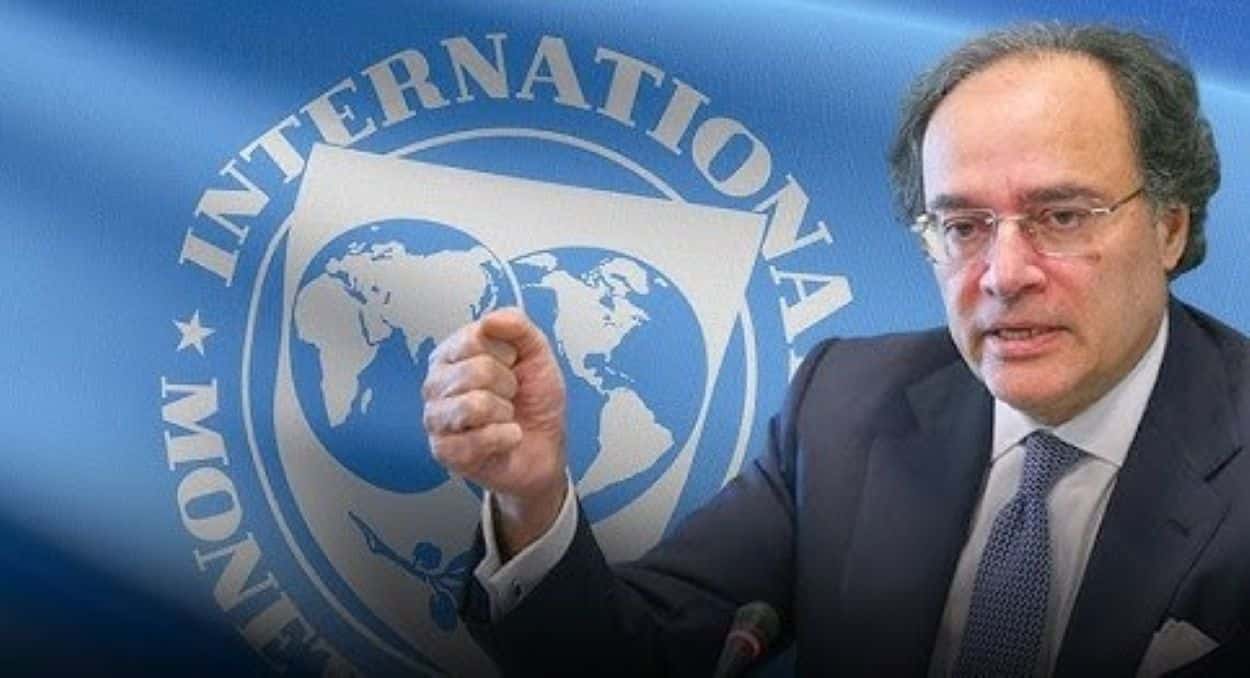

Finance Minister Muhammad Aurangzeb told the National Assembly Standing Committee on Finance and Revenue on May 8, 2026, that Pakistan expects approval of the next IMF tranche of $1.2 billion, citing strong macroeconomic indicators despite regional conflicts.
Aurangzeb highlighted growth in exports, remittances, and IT exports, while State Bank of Pakistan Governor Jameel Ahmad said the central bank purchased $27 billion from the market over the past three years and repaid nearly $5 billion last month. Officials project that foreign exchange reserves will reach $17 billion by the end of June, covering roughly three months of imports.
The minister also noted the successful issuance of $750 million in Eurobonds, progress on a $250 million Panda Bond, and increased inflows through Roshan Digital Accounts ($260 million in March 2026). Officials expect the current account to remain in surplus.
Aurangzeb briefed the committee on housing-sector financing, prudent fiscal policies, and structural reforms aimed at macroeconomic stability and enhanced investor confidence. He emphasised resilience despite the naval blockade and the pressure on energy prices.
Governor Ahmad said the central bank guides its monetary policy decisions by inflation projections, with core inflation at 8.2% due to energy and food costs, which he expects to ease as regional tensions subside. He noted that the government made external payments of $4.5 billion in April without imposing import restrictions.
The IMF tranche is part of the Extended Fund Facility and the Resilience and Sustainability Facility, bringing total disbursements to approximately $4.5 billion and reinforcing Pakistan’s external buffers. Aurangzeb expressed optimism that approval would proceed without obstacles.