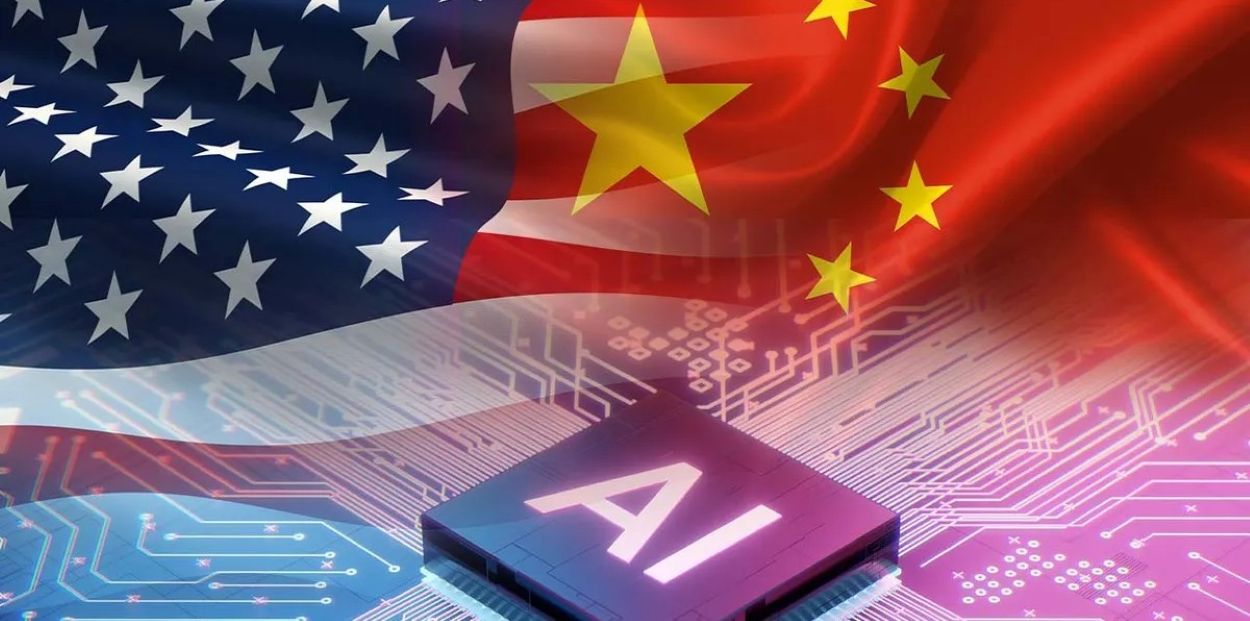

US-China space warfare race is growing as Beijing and Washington develop satellites, spaceplanes and systems. These could disrupt or attack spacecraft.
Reuters reported that a secret Chinese spaceplane released a small satellite in June. Tracking firm LeoLabs said the object circled another Chinese satellite before moving back toward the spaceplane.
The object then manoeuvred around another Chinese satellite before returning toward the spaceplane. Meanwhile, U.S. military officials are closely watching China’s expanding orbital capabilities.
General Chance Saltzman, chief of space operations for the U.S. Space Force, said in July that Beijing was rapidly developing both ground- and space-based systems. These systems are capable of interfering with or destroying targets.
China has also demonstrated what U.S. officials call orbital “dogfighting,” involving multiple satellites manoeuvring near one another.
Reuters said Chinese spacecraft had previously moved a defunct satellite into another orbit and conducted what a U.S. Space Force official described as a likely on-orbit refuelling attempt.
Chinese military-linked institutions are also researching pursuit satellites and systems designed to calculate fuel-efficient manoeuvres. Furthermore, these systems track other spacecraft, according to patent documents and academic material reviewed by Reuters.
The United States is developing parallel capabilities. Its X-37B Orbital Test Vehicle, an uncrewed military spaceplane, launched for an eighth mission last summer. The launch took place from Kennedy Space Centre in Florida.
Read: China Gains Lead With High-Power Microwave Weapon Technology
The U.S. and Britain also conducted a joint orbital operation in September 2025. This happened as China’s Shiyan 12-01 satellite passed about 83 kilometres beneath allied spacecraft, according to Slingshot Aerospace tracking data.
U.S. Space Command said the operation demonstrated allied coordination in orbit. Britain’s defence ministry said advanced orbital missions aimed to protect national and military interests.
China’s Foreign Ministry said Beijing opposed the weaponisation of space and supported peaceful use. It also accused Washington of accelerating an arms race through projects including President Donald Trump’s Golden Dome missile-defence program.
Read: Beijing Satellite Town to Boost China’s Aerospace Industry
Meanwhile, U.S Space Command chief General Stephen Whiting has called for a more active military posture in orbit. He argued that American forces must be prepared to protect U.S. systems and to threaten hostile assets if deterrence fails.